
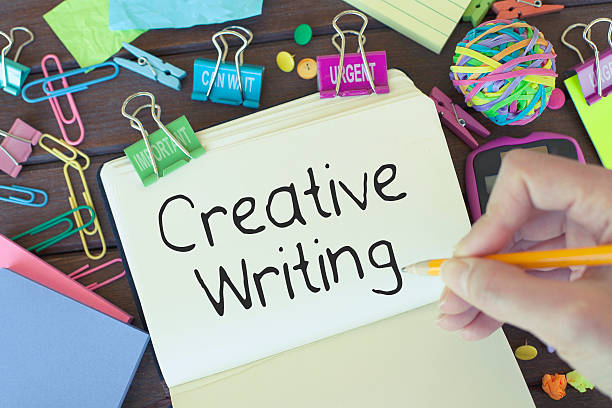
Creative essay writing is an art that requires a careful balance between imagination and structure. Unlike purely academic essays, creative essays allow writers to explore personal insights, vivid narratives, and unique perspectives while still maintaining clarity and coherence. Mastering this balance is crucial for producing engaging, impactful essays that captivate readers from start to finish.
In this blog post, we will explore the principles of creative essay writing, strategies for organizing your ideas, and practical tips to bring your creativity to life without sacrificing structure.
Understanding Creative Essay Writing
Creative essay writing differs from traditional academic writing in several ways. While standard essays often emphasize evidence and logical argumentation, creative essays provide the freedom to experiment with language, style, and storytelling techniques. They allow writers to express personal viewpoints, emotions, and imaginative ideas, making the writing process more expressive and enjoyable.
However, creativity does not mean chaos. Even the most imaginative essays require structure to guide the reader and make the ideas coherent. A successful creative essay blends originality with organization, ensuring that the reader can follow your narrative and fully appreciate your ideas.
The Role of Imagination in Essay Writing
Imagination is the heart of creative essay writing. It allows writers to:
-
Develop unique perspectives: Creative essays often encourage writers to view familiar topics in new ways, providing insights that are personal and distinctive.
-
Engage the reader: Vivid descriptions, compelling anecdotes, and imaginative analogies help draw readers into your essay.
-
Express individuality: Personal voice and style make your essay stand out, giving readers a glimpse into your thought process and personality.
To effectively harness imagination, it’s important to brainstorm ideas without restrictions initially. Freewriting, mind mapping, or even discussing your ideas aloud can help spark creativity and generate material that will form the backbone of your essay.
The Importance of Structure
While imagination fuels creativity, structure ensures clarity. A structured essay guides the reader through your ideas and helps maintain focus. Key structural elements include:
-
Introduction: Set the scene for your essay, introduce your main idea, and provide a hook that captures the reader’s attention.
-
Body paragraphs: Organize your thoughts logically, using each paragraph to develop a distinct idea, supported by examples, stories, or reflections.
-
Conclusion: Summarize your key points, reflect on their significance, and leave the reader with a lasting impression.
Even in creative essays, transitions between paragraphs are essential. Smooth transitions maintain flow and ensure that your essay remains cohesive, despite the flexibility of style or narrative.
Techniques for Blending Imagination and Structure
Successfully blending imagination with structure involves applying creative writing techniques while adhering to organizational principles. Here are some strategies:
1. Storytelling Elements
Incorporating storytelling elements can transform your essay from mundane to memorable. Elements such as characters, dialogue, conflict, and resolution can make abstract ideas tangible. For instance, describing a historical event from the perspective of a participant or observer can create a vivid, engaging narrative while still maintaining factual accuracy.
2. Vivid Descriptions and Sensory Details
Creative essays thrive on descriptive language. Sensory details—sights, sounds, smells, tastes, and textures—allow readers to experience your essay rather than just read it. This technique is particularly useful in descriptive or reflective essays, where immersion strengthens the emotional impact.
3. Metaphors and Analogies
Using metaphors and analogies helps convey complex ideas creatively. They allow you to draw comparisons that are imaginative yet meaningful, enhancing understanding and engagement. A well-chosen metaphor can bridge the gap between abstract concepts and the reader’s imagination.
4. Balanced Paragraphing
Even the most imaginative content requires proper paragraphing. Each paragraph should focus on a single idea or point, beginning with a clear topic sentence. Supporting sentences should elaborate on the idea with examples, anecdotes, or reflections, ensuring that your essay remains organized and easy to follow.
Planning Your Creative Essay
Proper planning is essential for combining creativity and structure. A strong plan reduces the risk of losing focus and helps maintain coherence throughout your essay. Here’s a step-by-step approach:
-
Brainstorm ideas: Identify themes, topics, and unique perspectives. Consider freewriting to capture raw ideas.
-
Create an outline: Organize your main points into a logical sequence, ensuring that each idea flows naturally to the next.
-
Draft your essay: Focus on writing freely, incorporating your creative elements while adhering to your outline.
-
Revise and refine: Evaluate your essay for clarity, coherence, and engagement. Remove redundancies and ensure that your creative choices enhance rather than obscure your message.
-
Edit for language and style: Correct grammar, punctuation, and sentence structure while preserving your unique voice.
Planning ensures that your creative insights do not get lost and that your essay maintains a professional and polished appearance.
Common Challenges in Creative Essay Writing
Even experienced writers may face challenges when blending imagination with structure. Some common hurdles include:
-
Overloading creativity: Excessive descriptive language or digressions can overwhelm the reader and dilute your main message.
-
Neglecting structure: Focusing solely on creative expression without clear organization can confuse readers and weaken your essay.
-
Balancing originality and relevance: Creative essays should remain relevant to the topic. Straying too far from the central theme may reduce the essay’s impact.
Addressing these challenges involves consistent self-review, peer feedback, and iterative revisions to maintain a balance between imagination and clarity.
Tools and Resources for Creative Essay Writing
Writers today have access to numerous tools and services that can enhance creative essay writing. For instance, professional writing support, such as the best ancient history essay writing service, can provide guidance on integrating creativity with academic rigor. Additionally, digital tools like mind-mapping software, grammar checkers, and style guides can streamline the writing process, allowing writers to focus more on creativity and less on technical challenges.
Tips for Sustaining Creativity and Focus
Maintaining focus during creative writing sessions is crucial for productivity. Consider the following strategies:
-
Set specific goals: Define the scope of your essay and what you want to achieve in each writing session.
-
Establish a routine: Regular writing schedules help condition your mind to switch into a creative mode efficiently.
-
Minimize distractions: Create a quiet, organized workspace free from interruptions.
-
Use writing prompts: Prompts can jumpstart ideas and push your imagination in new directions.
-
Take breaks: Short breaks improve mental clarity and prevent burnout during intensive writing sessions.
Conclusion
Creative essay writing is a rewarding skill that combines imagination, personal expression, and structured thinking. By understanding the principles of creativity, maintaining clear organization, and applying storytelling techniques, writers can produce essays that are both engaging and coherent. Planning, iterative revision, and strategic use of tools or services enhance this process, allowing writers to confidently merge creativity with structure.
Ultimately, the art of creative essay writing lies in the delicate balance of exploring new ideas while guiding readers through a clear and coherent narrative—a balance that, once mastered, results in truly captivating work.

![Epoxy Curing Agents Market Growth Analysis Report | Industry Status, Market Opportunities, Key Challenges, Competitive Strategies, Revenue Breakdown, and Forecast Outlook [2025–2034]](https://driftelano.com/wp-content/uploads/2025/12/Epoxy-Curing-Agents-Market.jpg)
![EMI Shielding Market Insights and Analysis [2025–2034] | Industry Performance, Growth Opportunities, Risk Factors, Strategic Developments, and Long-Term Market Projections](https://driftelano.com/wp-content/uploads/2025/12/EMI-Shielding-Market.jpg)


![Dimethyl Ether (DME) Market [Latest Reports] | Business Environment Analysis, Corporate Strategies, Competitive Benchmarking, Investment Trends, and Emerging Market Developments [2025–2034]](https://driftelano.com/wp-content/uploads/2025/12/Dimethyl-Ether-DME-Market.png)
Leave a Reply