
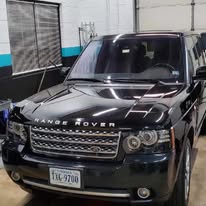
Understanding What “Detailing” Really Means
Before comparing DIY and professional options, it’s important to clarify what detailing actually involves. Detailing goes beyond a basic wash and vacuum. It’s about deep cleaning, restoring, and protecting surfaces inside and out.
A full detail can include:
-
Thorough exterior washing and decontamination
-
Paint correction to reduce swirls and scratches
-
Interior deep cleaning of fabric, leather, and plastics
-
Protection through sealants, waxes, or coatings
Not every car needs all of this at once, which is where the DIY vs professional conversation really begins.
The Appeal of DIY Car Detailing
DIY detailing attracts people for good reasons. It’s hands-on, flexible, and can be genuinely enjoyable if you like working on your own vehicle.
Control and Convenience
When you detail your own car, you control the pace and the process. You can clean one panel today and the interior tomorrow. There’s no appointment to schedule, no drop-off or pickup.
For routine maintenance like washing, vacuuming, and wiping down surfaces, DIY makes a lot of sense.
Learning Your Vehicle
One underrated benefit of DIY detailing is familiarity. You notice things professionals might not prioritize, like a sticky button, a faint rattle, or an area that always seems to get dirty faster.
This awareness helps you maintain the car better over time.
A Common DIY Mistake
Here’s a personal observation I see often: people invest in products before learning technique.
I’ve watched owners buy premium soaps, towels, and polishes, only to create swirl marks because they used one dirty wash mitt or wiped dust off dry paint. Technique matters more than brands, especially when you’re working on paint and interiors.
Where DIY Detailing Starts to Struggle
DIY detailing has limits, and most of them show up when you move beyond surface-level cleaning.
Paint Correction Challenges
Removing swirl marks, oxidation, or deeper scratches safely requires experience. Machines help, but they also introduce risk if you don’t understand pad choice, pressure, or heat control.
I’ve corrected many cars where DIY polishing made the paint worse, not better. In most cases, the damage wasn’t obvious until the car was under direct sunlight.
Interior Deep Cleaning Risks
Interior work seems simple until it isn’t. Over-wetting carpets can lead to lingering odors. Strong cleaners can discolor plastics or dry out leather. Using the wrong brush on delicate trim leaves permanent marks.
DIY interior detailing works well for upkeep, but deep restoration requires a careful touch.
What Professional Detailing Brings to the Table
Professional detailing isn’t just about better tools. It’s about experience, judgment, and efficiency.
Experience-Based Decision Making
A trained detailer doesn’t treat every car the same. Paint hardness, interior materials, age, and condition all influence how a vehicle should be handled.
Professionals know when to push for correction and when to stop. That restraint often prevents irreversible damage.
Access to Specialized Tools and Products
Professional shops use tools most DIYers don’t own or need, such as paint thickness gauges, extractors, and specialized lighting. These tools help deliver consistent results while managing risk.
It’s not that DIYers can’t learn these skills, but doing so takes time and practice.
Consistency of Results
When done properly, professional detailing delivers predictable outcomes. That’s especially valuable for:
-
Paint correction
-
Ceramic coating application
-
Deep interior restoration
According to insights shared by specialists in interior car detailing richmond va, a large part of professional value comes from preparation and process rather than aggressive techniques. That mindset often separates lasting results from temporary improvement.
Insider Tip: Mix DIY and Professional Strategically
Here’s a practical tip that works well for many owners: combine both approaches instead of choosing just one.
Use DIY detailing for:
-
Regular washes
-
Interior wipe-downs
-
Vacuuming and light maintenance
Use professional detailing for:
-
Paint correction
-
Protective coatings
-
Deep interior cleaning
This hybrid approach keeps your car looking good year-round while minimizing risk and effort.
Time vs Skill: An Honest Comparison
DIY detailing saves money on labor, but it costs time. A proper wash might take an hour. Interior detailing can take half a day. Paint correction can take an entire weekend.
Professional detailing compresses that time into a single visit, backed by skill developed over years. The question isn’t just “can I do this,” but “is this how I want to spend my time.”
There’s no wrong answer, only an honest one.
Results Over the Long Term
DIY results often look good initially but may fade faster if maintenance habits don’t evolve. Professional results tend to last longer because surfaces are corrected and protected more thoroughly.
That said, even the best professional detail won’t hold up if basic care is neglected afterward. Maintenance always matters.
Another Insider Tip: Protect What You Correct
Whether you DIY or go professional, protection is critical after any intensive detailing work.
Paint correction without protection is temporary. Interior deep cleaning without surface protection invites rapid re-soiling. Even a simple sealant or interior protectant can extend results significantly.
This is where many DIYers fall short. They focus on cleaning but skip the protection step.
Situations Where Professional Detailing Makes More Sense
There are certain scenarios where professional detailing is usually the smarter choice:
-
New vehicles you want to preserve long-term
-
Older vehicles with neglected paint or interiors
-
Luxury or specialty materials
-
Preparing a car for sale or return
In these cases, the margin for error is small, and the benefits of experience are significant.
Situations Where DIY Shines
DIY detailing excels when:
-
You enjoy the process
-
The car is already in good condition
-
You’re maintaining results between professional visits
For many enthusiasts, DIY detailing is as much about relaxation as it is about cleanliness.
Final Thoughts
DIY car detailing vs professional detailing isn’t a competition. It’s a spectrum. Most car owners fall somewhere in the middle, combining personal effort with professional help when it matters most.
The key is understanding your own skill level, patience, and goals for the vehicle. Learn good habits early, avoid shortcuts, and don’t be afraid to hand things off when the job exceeds your comfort zone.
Also read for more information so click here.

![Epoxy Curing Agents Market Growth Analysis Report | Industry Status, Market Opportunities, Key Challenges, Competitive Strategies, Revenue Breakdown, and Forecast Outlook [2025–2034]](https://driftelano.com/wp-content/uploads/2025/12/Epoxy-Curing-Agents-Market.jpg)
![EMI Shielding Market Insights and Analysis [2025–2034] | Industry Performance, Growth Opportunities, Risk Factors, Strategic Developments, and Long-Term Market Projections](https://driftelano.com/wp-content/uploads/2025/12/EMI-Shielding-Market.jpg)

![Dimethyl Ether (DME) Market [Latest Reports] | Business Environment Analysis, Corporate Strategies, Competitive Benchmarking, Investment Trends, and Emerging Market Developments [2025–2034]](https://driftelano.com/wp-content/uploads/2025/12/Dimethyl-Ether-DME-Market.png)
Leave a Reply