
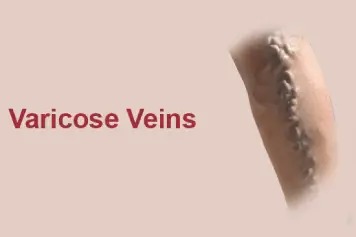
Varicose veins are not just an appearance-related issue. These enlarged, twisted veins, most commonly seen on the legs, often indicate an underlying circulation issue. With long working hours, prolonged sitting or standing, reduced physical activity, and changing lifestyles, varicose veins are becoming increasingly common today. Many people ignore early symptoms or delay care due to fear of surgery, pain, or a long recovery.
However, untreated varicose veins can affect daily comfort, confidence, and vein health. This blog explains what varicose veins are, why they should not be ignored, and how modern Varicose Veins now offers safe, non-surgical solutions in a simple, practical way.
Understanding Varicose Veins and Why They Should Not Be Ignored
Varicose veins develop when the tiny valves inside leg veins weaken or stop working properly. These valves are meant to push blood upwards towards the heart. When they fail, blood starts pooling in the veins, causing them to stretch, twist, and become visible under the skin.
While bulging veins are the most noticeable sign, the condition often goes beyond appearance. Many people experience discomfort long before veins become prominent.
Common symptoms include:
- A sensation of heaviness or fatigue in the legs
- Swelling around the ankles or calves
- Itching or skin irritation over the veins
- Night cramps or aching pain after long hours of standing
It is also important to understand the difference between cosmetic vein concerns and medical vein disease. Spider veins are usually superficial and harmless, whereas varicose veins can progress and lead to complications if ignored.
Delaying treatment may increase the risk of skin discoloration, hardening of tissues, ulcers, or even blood clots. Early diagnosis helps prevent these issues and keeps vein health under control.

Why Non-Surgical Varicose Veins Treatment Is the Preferred Choice Today
In the past, surgery was often considered the only option for treating varicose veins. Today, medical advancements have completely changed this approach. Most patients can now be treated using minimally invasive, non-surgical techniques.
These modern procedures are designed to be safer, quicker, and far more comfortable than traditional surgery.
Key benefits of non-surgical treatments include:
- No large cuts or stitches
- Minimal pain and discomfort
- Faster recovery and return to routine
- Day-care or outpatient procedures
It is also important to understand the difference between cosmetic vein concerns and medical vein disease. Spider veins are usually superficial and harmless, whereas varicose veins can progress and lead to complications if ignored.
Best interventional neuroradiologists in Ahmedabad often use advanced imaging techniques to assess vein function in detail, helping differentiate cosmetic concerns from medical vein conditions that require timely treatment.
Advanced Non-Surgical Treatments for Varicose Veins
Today’s Vein Treatment options are precise, image-guided, and focused on closing faulty veins so healthy veins can take over the blood flow. Below are the most commonly used non-surgical methods.
Endovenous Laser Treatment (EVLT)
EVLT uses controlled laser energy to close damaged veins from the inside. A thin fibre is guided into the affected vein, and laser heat gently seals it.
The procedure usually takes less than an hour and is performed under local anaesthesia. Most patients experience minimal discomfort and can walk shortly after treatment.
Radiofrequency Ablation (RFA)
Radiofrequency Ablation works on a similar principle but uses radiofrequency energy instead of laser heat. This controlled heat shrinks and seals faulty veins, allowing blood to reroute naturally.
Compared to laser treatment, RFA often causes slightly less post-procedure discomfort. Both methods are highly effective, and the choice depends on vein anatomy and specialist advice.
Sclerotherapy for Smaller Varicose and Spider Veins
Sclerotherapy is a procedure where a solution is injected into smaller varicose or spider veins. This solution irritates the vein walls, causing them to collapse and gradually fade away. It is commonly recommended for surface veins and cosmetic concerns. Multiple sessions may be needed, depending on vein size and number.
Image-Guided Interventional Procedures
For complex vein conditions, image-guided procedures play a crucial role. Advanced imaging allows doctors to visualise vein flow in real time, improving precision and safety.
Experienced specialists, including the best interventional neuroradiologists, often work alongside vascular teams to guide intricate, image-based procedures. Their expertise ensures accurate treatment planning, especially in cases involving deep or recurrent vein disease.
How These Treatments Improve Daily Comfort and Long-Term Vein Health
One of the biggest advantages of non-surgical varicose veins treatment is the improvement in everyday quality of life. Patients often notice relief from symptoms soon after treatment, with pain, swelling, heaviness, and leg fatigue reducing significantly. Improved circulation helps patients stay active, comfortable, and confident throughout the day.
Early treatment also lowers the chances of recurrence and long-term complications. With healthy veins taking over blood flow, legs feel lighter and more energised. These modern treatment options support a better work-life balance by allowing patients to resume daily routines without prolonged rest or restrictions.
What to Expect Before, During, and After Non-Surgical Treatment
The treatment process is simple and patient-friendly. Before the procedure, a detailed consultation is done where the doctor evaluates the veins using clinical assessment and imaging to understand the severity and plan the right approach.
During the procedure, it is performed as a short outpatient treatment under local anaesthesia, ensuring comfort without the need for hospital admission. After the procedure, patients are usually discharged on the same day and can return to their normal daily routine quickly, with minimal downtime and follow-up care as advised.
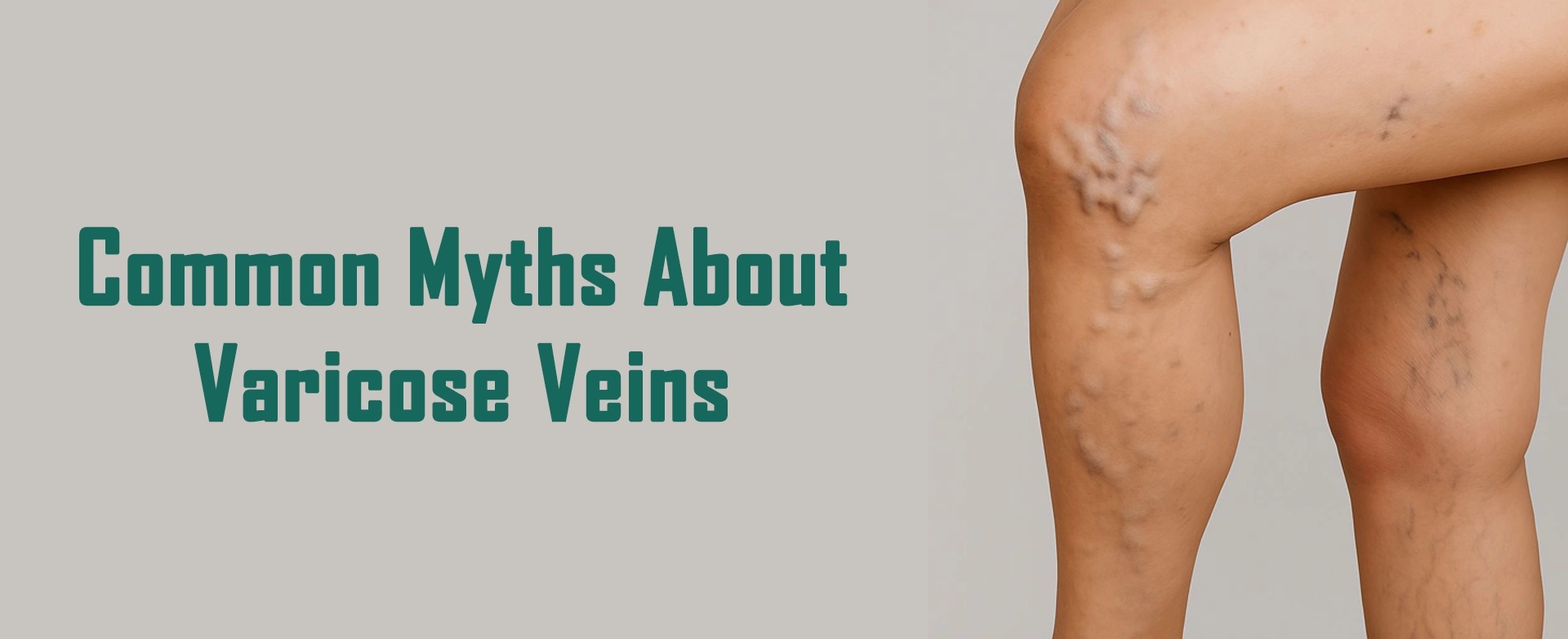
Myths and Facts About Non-Surgical Varicose Veins Treatment
Many misconceptions around varicose vein care often delay treatment.
- Myth: Surgery is the only permanent solution
Fact: Advanced non-surgical options provide long-lasting and effective results - Myth: Treatment is painful
Fact: Procedures are minimally invasive and generally well tolerated - Myth: Varicose veins are only a cosmetic issue
Fact: They can indicate underlying vein disease and should be evaluated
Clearing these myths helps patients make informed decisions with confidence.
When You Should Consider Seeing a Specialist
It may be time to consult a specialist if you notice persistent leg pain, swelling, visible bulging veins, skin changes, or recurring cramps. Symptoms that worsen after standing or improve with leg elevation should not be ignored.
Early evaluation allows for personalized treatment planning and prevents complications. Specialized interventional teams use imaging and clinical expertise to recommend the most suitable, least invasive option for each patient.
Conclusion
Varicose veins are a common yet often ignored condition that can affect daily comfort, mobility, and long-term vein health. Today, advanced Varicose Veins Treatment options offer safe, effective, and non-surgical solutions with minimal downtime. Modern techniques such as laser therapy, radiofrequency procedures, and image-guided interventions focus on precision, patient comfort, and lasting results.
Early diagnosis and timely care help prevent complications and improve overall quality of life. Hospitals like Dev Hospital follow modern, image-guided approaches to deliver patient-centric, minimally invasive vein care with faster recovery and better outcomes.

![Epoxy Curing Agents Market Growth Analysis Report | Industry Status, Market Opportunities, Key Challenges, Competitive Strategies, Revenue Breakdown, and Forecast Outlook [2025–2034]](https://driftelano.com/wp-content/uploads/2025/12/Epoxy-Curing-Agents-Market.jpg)
![EMI Shielding Market Insights and Analysis [2025–2034] | Industry Performance, Growth Opportunities, Risk Factors, Strategic Developments, and Long-Term Market Projections](https://driftelano.com/wp-content/uploads/2025/12/EMI-Shielding-Market.jpg)

![Dimethyl Ether (DME) Market [Latest Reports] | Business Environment Analysis, Corporate Strategies, Competitive Benchmarking, Investment Trends, and Emerging Market Developments [2025–2034]](https://driftelano.com/wp-content/uploads/2025/12/Dimethyl-Ether-DME-Market.png)
Leave a Reply