
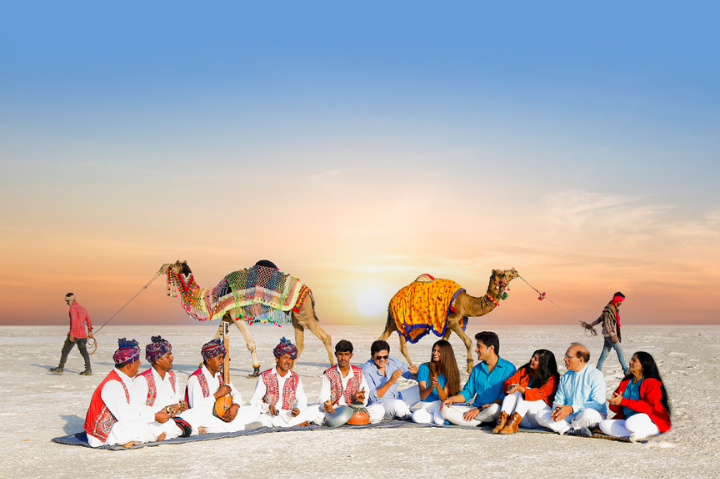
Makar Sankranti marks a significant seasonal shift and is widely celebrated across western India with colour, movement and community gatherings. When this festival unfolds against the vast white salt plains, the experience becomes visually striking and culturally rich. White Rann Makar Sankranti 2026 brings together kite flying traditions, open desert skies and organised festive settings that attract visitors each year. Understanding the festival date, daily highlights, travel flow and cost considerations helps travellers plan realistically and enjoy the celebrations without uncertainty or last-minute pressure.
Cultural Significance of Makar Sankranti at the White Rann
Makar Sankranti marks the sun’s transition into Capricorn, symbolising longer days and a new agricultural cycle. In western India, it is closely associated with kite flying, reflecting optimism and seasonal change.
The White Rann offers a unique setting for these celebrations, with its vast open landscape allowing kites to rise freely against the pale salt flats. Alongside kite flying, visitors experience local customs and cultural gatherings presented in an organised environment, making the festival calm, visually striking and easy to enjoy at a relaxed pace.
White Rann Makar Sankranti 2026 – Date, Duration and Timing
Makar Sankranti in 2026 falls on 14 January, with related celebrations extending across the surrounding days. While the main kite flying activities peak on the festival day, cultural programmes and seasonal gatherings often continue before and after, creating a wider celebration window.
Daytime hours are typically dedicated to kite flying, social interaction and visual festivities, taking advantage of clear skies and steady winds. As daylight fades, evenings transition into calmer cultural settings, with organised performances and structured programmes.
Travellers usually plan arrival at least a day before the main festival date to avoid travel congestion and to settle into accommodation comfortably. Departures are best scheduled after the peak celebration day, allowing visitors to experience the festival fully without time pressure.

Kite Festival Highlights at the White Rann
Kite Flying Displays
- Large-scale kite flying across the open White Rann
- Hundreds of kites create a colourful visual spectacle
- Clear wind flow ensures smooth, continuous flying
- Locals and visitors participate together
Festive Atmosphere Beyond Kites
- Traditional music and seasonal gatherings
- Festive food stalls and cultural zones
- Flexible movement between activities
- Balanced space prevents overcrowding
How Makar Sankranti Fits Within the Rann Festival Season
Makar Sankranti occurs during the broader winter cultural season, when the Rann region hosts organised festivities and structured visitor programmes. The festival naturally aligns with this period, benefiting from planned infrastructure, transport coordination and managed access.
Many travellers incorporate the Sankranti celebration into a wider seasonal visit, using the festival as a central highlight rather than a standalone event. A well-planned rann utsav tour during this time often includes kite festival participation alongside cultural evenings and desert viewing schedules, offering a rounded seasonal experience rather than a single-day visit.
Travel Routes and Accessibility During the Kite Festival
Key Arrival Points
During Makar Sankranti, travel volume increases noticeably. Most visitors arrive via major nearby cities connected by road and rail. From these points, onward travel is typically managed through organised transfers or pre-planned routes to avoid congestion.
Movement Within the Rann Area
- Designated access routes guide visitors to festival zones
- Time-managed entry helps control crowd density
- Transfers operate on fixed schedules to maintain flow
This structured movement system helps visitors focus on the celebration rather than navigation challenges.
Accommodation Availability and Stay Planning During Sankranti
Accommodation demand rises sharply around Makar Sankranti due to the limited seasonal window and increased visitor interest. Stays closer to festival dates tend to fill quickly, particularly those offering easy access to celebration areas.
Early planning provides better choices and avoids compromises on comfort. Travellers who book late may face limited availability or higher pricing. Selecting accommodation that aligns with planned arrival and departure times helps reduce waiting periods and travel fatigue during peak festival days.
Understanding the Rann of Kutch Trip Cost During Makar Sankranti
- Trip costs vary based on multiple factors, not a fixed rate
- Longer stays increase accommodation and meal expenses
- Festival demand raises prices due to limited availability
- Transport, accommodation type and cultural access affect costs
- Bundled packages often offer better value during peak season
Budget Planning Tips for Kite Festival Visitors
Planning costs realistically helps avoid last-minute stress. Choosing a stay length that matches actual availability rather than trying to extend the visit unnecessarily keeps expenses controlled.
Booking transport and accommodation together often reduces coordination costs. Avoiding upgrades that do not add meaningful comfort during busy festival days also helps manage the rann of kutch trip cost effectively.
Allowing buffer time for arrivals and departures prevents the need for unplanned overnight stays, which can significantly affect budgets during peak periods.
Who Should Consider Visiting During Makar Sankranti
The festival suits travellers who enjoy vibrant seasonal settings and shared cultural spaces. Families often appreciate the open environment and structured movement, which makes participation manageable.
Cultural travellers benefit from observing traditional celebrations in a non-urban setting, while photography enthusiasts find the visual contrast of kites against salt plains particularly appealing. Visitors comfortable with lively crowds and fixed schedules are best suited for Sankranti-period travel.

Common Travel Mistakes During Sankranti Season
One frequent mistake is underestimating crowd levels and travel time during festival days. Another is booking without reviewing inclusions, which can lead to unexpected expenses.
Some travellers attempt to compress too many activities into a short visit, resulting in fatigue rather than enjoyment. Selecting a realistic itinerary and a balanced Rann Utsav tour helps avoid rushed schedules and ensures the festival remains enjoyable rather than exhausting.
Conclusion
White Rann Makar Sankranti 2026 combines seasonal tradition with the rare visual scale of the salt desert, creating a celebration that feels both expansive and culturally grounded. With Rann Utsav supporting an organised seasonal framework, travellers who plan dates carefully, understand costs and prepare for peak-season movement find the festival rewarding rather than overwhelming. Balanced planning allows visitors to enjoy kite flying, cultural gatherings and the unique desert setting without pressure, ensuring the overall experience remains smooth, engaging and well-paced.

![Epoxy Curing Agents Market Growth Analysis Report | Industry Status, Market Opportunities, Key Challenges, Competitive Strategies, Revenue Breakdown, and Forecast Outlook [2025–2034]](https://driftelano.com/wp-content/uploads/2025/12/Epoxy-Curing-Agents-Market.jpg)
![EMI Shielding Market Insights and Analysis [2025–2034] | Industry Performance, Growth Opportunities, Risk Factors, Strategic Developments, and Long-Term Market Projections](https://driftelano.com/wp-content/uploads/2025/12/EMI-Shielding-Market.jpg)


![Dimethyl Ether (DME) Market [Latest Reports] | Business Environment Analysis, Corporate Strategies, Competitive Benchmarking, Investment Trends, and Emerging Market Developments [2025–2034]](https://driftelano.com/wp-content/uploads/2025/12/Dimethyl-Ether-DME-Market.png)
Leave a Reply