
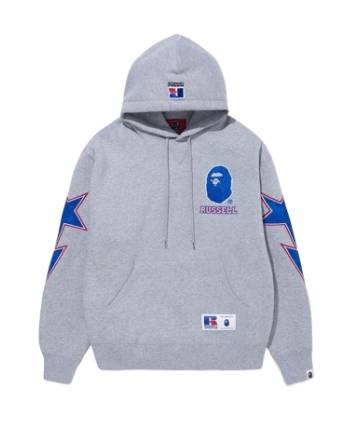
Introduction: To The Bape Hoodie
Some hoodies keep you warm. Others make a statement. The Bape hoodie does both—and then some. It isn’t just a piece of clothing you throw on before heading out the door. It’s a cultural artifact, a symbol of streetwear history, and a visual language recognized instantly across the world. Whether you love it or question it, there’s no denying its impact. Bape Clothing
What makes the Bape hoodie special isn’t just the bold graphics or the unmistakable camouflage patterns. It’s the story behind it—the way it emerged from a niche Tokyo neighborhood and grew into a global phenomenon. In an era before social media hype cycles, Bape built desire through mystery, exclusivity, and creativity. Owning a Bape hoodie meant you were “in the know.”
At its peak, the Bape hoodie wasn’t just fashion—it was currency. Rappers wore it, collectors chased it, and resellers flipped it for double or triple the price. Even today, decades after its debut, the hoodie still carries cultural weight. People don’t just ask what you’re wearing; they ask which Bape you’re wearing.
Understanding the origins of the Bape hoodie means understanding how streetwear evolved from underground culture into mainstream luxury. It’s a story of rebellion, art, music, and smart branding. And once you see the full picture, you realize the Bape hoodie was never “just a hoodie.” It was a movement stitched in cotton and camo.
The Birth of A Bathing Ape (BAPE)
The Vision of Nigo
Behind every legendary brand is a visionary, and for BAPE, that person is Nigo. Before he became a global fashion icon, Nigo was simply a young creative with an obsession for American pop culture, hip-hop, and vintage fashion. He didn’t come from a traditional design background, and that’s exactly why his ideas felt so fresh.
Nigo believed fashion should be fun, expressive, and slightly rebellious. He wasn’t interested in blending in—he wanted to stand out. When he founded A Bathing Ape in 1993, he wasn’t chasing mass appeal. He was creating for a small circle of like-minded individuals who understood his references and appreciated his aesthetic.
The Bape hoodie emerged from this mindset. It wasn’t designed to please everyone. It was designed to excite a niche audience. That sense of exclusivity became one of the brand’s most powerful weapons. Nigo understood that desire grows when access is limited, and he built BAPE around that principle from day one.
Tokyo’s Harajuku Scene in the 1990s
To understand Bape, you have to understand Harajuku. In the 1990s, this Tokyo neighborhood was the epicenter of youth culture, creativity, and fashion experimentation. It was loud, colorful, and unapologetically different. Harajuku wasn’t about trends—it was about self-expression.
Nigo’s BAPE store fit perfectly into this environment. It was small, intentionally hard to find, and stocked with limited quantities. That scarcity turned the shop into a destination. People lined up not knowing what they’d find inside, and that mystery became part of the experience. Bape Hoodie
The Bape hoodie reflected Harajuku’s bold energy. Bright colors, loud graphics, and unconventional designs challenged traditional fashion norms. Wearing a Bape hoodie wasn’t about looking “clean” or “minimal.” It was about being seen and making noise in a crowded cultural landscape.
How Japanese Street Culture Shaped BAPE
Japanese street culture values craftsmanship, detail, and storytelling. BAPE embraced all three. Every hoodie felt intentional—from the placement of logos to the choice of fabric. This attention to detail set BAPE apart from other streetwear brands emerging at the time.
The Bape hoodie wasn’t mass-produced in the traditional sense. Production runs were small, quality was prioritized, and designs were constantly evolving. That approach aligned perfectly with Japanese consumers, who appreciated uniqueness and authenticity.
This cultural foundation gave BAPE a strong identity long before it went global. By the time the Bape hoodie reached international audiences, it already had a deeply rooted story—and that authenticity couldn’t be replicated.
Who Is Nigo? The Mind Behind the Bape Hoodie
Nigo’s Background and Creative Philosophy
Nigo’s creative philosophy was simple: make what excites you. He didn’t follow fashion calendars or seasonal trends. Instead, he drew inspiration from cartoons, hip-hop albums, vintage Americana, and everyday life. That eclectic mix became the DNA of the Bape hoodie.
He believed clothing should spark emotion. When someone saw a Bape hoodie, they should feel curiosity, excitement, or even confusion. That emotional response mattered more than universal approval. Nigo wasn’t building a brand for everyone—and that’s why it worked.
His hands-on approach meant he was involved in every detail. From graphics to store layout, Nigo curated the entire BAPE universe. The hoodie wasn’t just a product; it was a piece of a larger narrative.
Influence of Music, Art, and Pop Culture
Music played a massive role in shaping BAPE. Hip-hop, in particular, influenced everything from color choices to silhouettes. Nigo saw rappers as modern-day artists, and he wanted his clothing to reflect that creativity.
The Bape hoodie often felt like wearable art. Bold prints, unexpected references, and playful designs turned each piece into a conversation starter. This artistic approach resonated deeply with musicians, which later helped propel the brand into global fame.
Pop culture references—especially from cartoons and movies—added another layer. The ape motif itself felt playful and ironic, challenging the seriousness of luxury fashion. That balance between humor and exclusivity became a defining trait of the Bape hoodie.
Building a Brand Through Scarcity
One of Nigo’s smartest moves was limiting supply. BAPE intentionally produced fewer items than demand required. This scarcity created urgency and fueled hype. If you missed a drop, you missed it—no restocks, no second chances.
The Bape hoodie became a symbol of access. Owning one meant you were part of a select group. This strategy laid the groundwork for modern streetwear hype culture long before it became mainstream.
Scarcity wasn’t just a marketing trick—it was a philosophy. Nigo believed that too much availability diluted value. And the lasting desirability of the Bape hoodie proves he was right.
The Name “A Bathing Ape”: Meaning and Symbolism
Cultural References Behind the Name
The name “A Bathing Ape” is a satirical reference to a Japanese phrase about living in luxury without concern. It subtly critiques consumerism while simultaneously participating in it. This self-awareness is a hallmark of Japanese street culture.
The Bape hoodie carries that irony. It’s bold and expensive, yet playful and self-referential. It doesn’t take itself too seriously—and that’s part of its charm.
The Ape as a Brand Identity
The ape logo became instantly recognizable. It symbolized curiosity, rebellion, and individuality. Unlike traditional luxury logos, it felt approachable and fun.
When the ape appeared on a hoodie, it wasn’t just branding—it was storytelling. It invited people into the BAPE world, where fashion didn’t follow rules.
Satire and Self-Awareness in Japanese Fashion
BAPE used satire to stand out. The Bape hoodie often exaggerated patterns and graphics, almost mocking excess. That layered meaning gave the hoodie depth beyond aesthetics.

![Epoxy Curing Agents Market Growth Analysis Report | Industry Status, Market Opportunities, Key Challenges, Competitive Strategies, Revenue Breakdown, and Forecast Outlook [2025–2034]](https://driftelano.com/wp-content/uploads/2025/12/Epoxy-Curing-Agents-Market.jpg)
![EMI Shielding Market Insights and Analysis [2025–2034] | Industry Performance, Growth Opportunities, Risk Factors, Strategic Developments, and Long-Term Market Projections](https://driftelano.com/wp-content/uploads/2025/12/EMI-Shielding-Market.jpg)

![Dimethyl Ether (DME) Market [Latest Reports] | Business Environment Analysis, Corporate Strategies, Competitive Benchmarking, Investment Trends, and Emerging Market Developments [2025–2034]](https://driftelano.com/wp-content/uploads/2025/12/Dimethyl-Ether-DME-Market.png)
Leave a Reply