
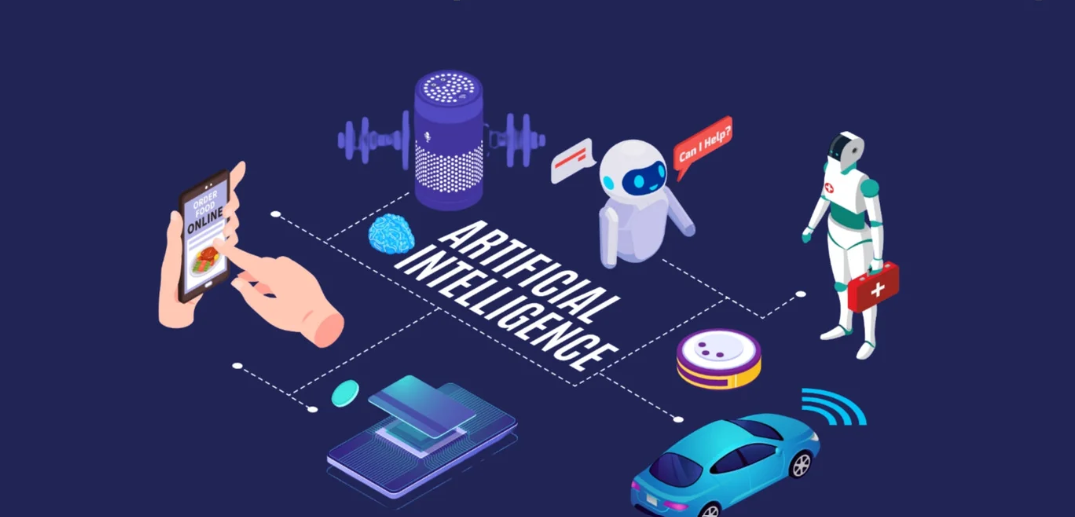
Introduction
In today’s highly competitive and data-driven business environment, success depends on more than intuition and past experience. Businesses must anticipate market changes, understand customer demand in advance, and manage inventory with precision. This is where Predictive Analytics, Demand Forecasting, and AI Inventory Management come together as powerful enablers of intelligent decision-making.
When integrated effectively, these technologies help organizations reduce uncertainty, cut costs, and improve operational efficiency while delivering better customer experiences.
Predictive Analytics: Turning Historical Data into Future Intelligence
Predictive analytics uses historical and real-time data, combined with machine learning and statistical models, to forecast future outcomes. Instead of focusing only on what has already happened, predictive analytics answers critical business questions about what is likely to happen next.
How Predictive Analytics Works
Predictive analytics systems analyze patterns in data such as sales history, customer behavior, operational performance, and external market signals. Advanced algorithms continuously learn from new data, improving forecast accuracy over time.
Business Benefits of Predictive Analytics
-
Improved strategic planning and decision-making
-
Early identification of risks and opportunities
-
Better financial forecasting and budgeting
-
Enhanced customer behavior prediction
-
Optimized operational performance
Predictive analytics enables businesses to move from reactive responses to proactive strategies.
Demand Forecasting: Aligning Supply with Market Needs
Demand forecasting is the process of estimating future customer demand to ensure the right products are available at the right time. Inaccurate demand forecasting often leads to overstocking, stockouts, revenue loss, and poor customer satisfaction.
Modern demand forecasting leverages AI-powered predictive models to account for seasonality, market trends, promotions, and changing customer behavior.
Why Demand Forecasting is Critical
-
Prevents excess inventory and carrying costs
-
Reduces lost sales due to stock shortages
-
Improves production and procurement planning
-
Enhances supply chain efficiency
-
Strengthens financial control and cash flow
Accurate demand forecasting creates balance between operational efficiency and customer fulfillment.
AI Inventory Management: Intelligent Control of Stock Levels
AI inventory management applies artificial intelligence and predictive analytics to automate and optimize inventory decisions. Unlike traditional inventory systems that rely on static rules, AI-driven systems adapt dynamically to changing demand and supply conditions.
Key Capabilities of AI Inventory Systems
-
Real-time inventory visibility across locations
-
Automated replenishment based on demand signals
-
Dynamic reorder point optimization
-
Reduction of obsolete and slow-moving stock
-
Improved coordination between warehouses and suppliers
AI inventory management ensures businesses maintain optimal stock levels without manual intervention.
The Power of Integration: How These Technologies Work Together
Predictive analytics provides future insights, demand forecasting translates those insights into expected customer demand, and AI inventory management executes intelligent inventory actions based on those forecasts.
Together, they create a closed-loop system that:
-
Predicts demand accurately
-
Plans inventory proactively
-
Responds quickly to market changes
-
Reduces operational inefficiencies
-
Supports scalable business growth
This integrated approach transforms inventory and supply chain operations into strategic business assets.
Industry Applications
-
Retail & E-commerce – Personalized demand planning and inventory optimization
-
Manufacturing – Production alignment with real-time demand forecasts
-
Logistics & Distribution – Efficient warehouse and transportation planning
-
Healthcare & Pharmaceuticals – Ensuring critical supplies availability
Across industries, AI-driven analytics is becoming a competitive necessity rather than an optional upgrade.
Why Businesses Must Adopt AI-Driven Analytics Now
Market volatility, complex supply chains, and evolving customer expectations make traditional planning methods outdated. Businesses that invest in predictive analytics, demand forecasting, and AI inventory gain agility, resilience, and long-term sustainability.
Organizations that delay adoption risk higher costs, missed opportunities, and reduced competitiveness.
Conclusion
Predictive analytics, demand forecasting, and AI inventory management are no longer isolated tools—they are interconnected pillars of modern business strategy. By leveraging these technologies together, companies can anticipate change, optimize resources, and drive smarter growth.
Ready to transform your planning and inventory decisions with intelligent technology?
RBM Software delivers advanced predictive analytics, demand forecasting, and AI inventory solutions tailored to your business needs.
Partner with RBM Software to build a smarter, data-driven future.

![Epoxy Curing Agents Market Growth Analysis Report | Industry Status, Market Opportunities, Key Challenges, Competitive Strategies, Revenue Breakdown, and Forecast Outlook [2025–2034]](https://driftelano.com/wp-content/uploads/2025/12/Epoxy-Curing-Agents-Market.jpg)
![EMI Shielding Market Insights and Analysis [2025–2034] | Industry Performance, Growth Opportunities, Risk Factors, Strategic Developments, and Long-Term Market Projections](https://driftelano.com/wp-content/uploads/2025/12/EMI-Shielding-Market.jpg)


![Dimethyl Ether (DME) Market [Latest Reports] | Business Environment Analysis, Corporate Strategies, Competitive Benchmarking, Investment Trends, and Emerging Market Developments [2025–2034]](https://driftelano.com/wp-content/uploads/2025/12/Dimethyl-Ether-DME-Market.png)
Leave a Reply