
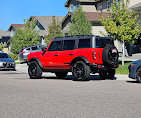
Why Dark Paint Shows Every Flaw
One of the first things I tell people is that dark paint isn’t more fragile—it’s more honest. It reflects light more sharply, which means it reveals imperfections that lighter colors can hide.
On dark vehicles, you’ll often see:
-
Swirl marks from improper washing
-
Fine scratches that appear in direct sunlight
-
Haze left behind from poor polishing
-
Uneven reflections across panels
A personal observation from experience: many owners think their dark car “scratches easily,” when the real issue is improper washing and drying habits that gradually mark the surface.
What Paint Correction Really Means
Paint correction isn’t a single step. It’s a controlled process of leveling the clear coat to reduce or remove visible defects without compromising long-term paint health.
For dark-colored cars, correction typically involves:
-
Thorough washing and decontamination
-
Careful inspection under proper lighting
-
One or more polishing stages
-
Refinement passes to restore clarity
The goal isn’t perfection at any cost. It’s achieving the best possible finish while preserving the integrity of the clear coat.
The Inspection Stage Is Everything
Before any machine touches the paint, inspection sets the direction for the entire process. Dark paint requires multiple light sources because defects appear differently depending on angle and intensity.
During inspection, experienced detailers look for:
-
Depth and density of swirl marks
-
Random isolated scratches
-
Previous polishing marks or holograms
-
Areas where clear coat is already thin
An insider tip: defects on dark paint often look worse than they are. Chasing every visible mark without proper measurement can do more harm than good.
Common Mistakes With Dark Paint Correction
Some mistakes show up repeatedly, especially when less experienced hands work on dark vehicles.
Over-Polishing
One of the most common issues is over-polishing in an attempt to achieve a “perfect” finish. Dark paint amplifies results, but it also amplifies mistakes.
Too much polishing can:
-
Create haze instead of clarity
-
Introduce micro-marring
-
Reduce clear coat unnecessarily
Skipping the Refinement Step
Another frequent mistake is skipping a finishing polish. Dark paint needs refinement to remove light marks left by correction stages.
Without refinement:
-
Reflections look sharp but unnatural
-
Holograms appear in sunlight
-
The finish lacks depth
Why Washing Habits Matter Before Correction
Paint correction can dramatically improve appearance, but it won’t last if washing habits don’t change afterward.
Dark paint shows damage from:
-
Dirty wash mitts
-
Automatic car washes
-
Dry wiping between washes
A practical insider tip: use multiple microfiber towels when drying. Switching towels halfway through reduces the chance of dragging trapped debris across the surface.
Panel-by-Panel Differences on Dark Cars
Not all panels behave the same. Horizontal surfaces like hoods and roofs usually show the most damage because they’re exposed to sun, dust, and improper wiping.
Vertical panels often:
-
Have fewer defects
-
Require lighter correction
-
Need careful blending to match gloss
Balancing correction across panels is what separates an even finish from one that looks patchy under certain lighting.
Lighting Makes or Breaks Results
Proper lighting is essential for dark paint correction. What looks flawless indoors can reveal defects outdoors.
Experienced detailers use:
-
Overhead lighting for general inspection
-
Handheld lights for focused correction
-
Natural sunlight for final verification
According to detailing professionals in the Aurora and Centennial area, lighting control is one of the most important yet overlooked parts of paint correction. This approach is often emphasized in resources like this guide on car detailing centennial co, where local conditions and real-world results matter more than showroom lighting.
The Role of Clear Coat Preservation
Clear coat is finite. Every correction removes a small amount, which is why restraint is critical—especially on dark paint that invites repeat polishing.
Experienced practitioners focus on:
-
Improving overall appearance, not chasing perfection
-
Leaving room for future maintenance
-
Protecting corrected paint from rapid re-damage
Paint correction should be viewed as a reset, not a routine process.
Protection After Correction Is Not Optional
Once dark paint is corrected, it needs protection to maintain results. Without protection, defects return quickly, sometimes within weeks.
Protection helps by:
-
Reducing friction during washing
-
Slowing down contamination buildup
-
Preserving gloss and depth
The better the correction work, the more noticeable the difference protection makes.
Realistic Expectations for Dark Paint
Dark cars can look incredible, but they also demand realistic expectations. Even professionally corrected paint will show light marks over time if driven and washed regularly.
The goal is:
-
A dramatic improvement in clarity
-
Consistent reflections across panels
-
Reduced visibility of defects in normal lighting
Understanding this prevents disappointment and unnecessary repeat correction.
Final Thoughts
Paint correction for dark-colored cars is equal parts technical skill and judgment. The process rewards patience, attention to detail, and a willingness to stop before causing harm.
Also read for more information so click here.

![Epoxy Curing Agents Market Growth Analysis Report | Industry Status, Market Opportunities, Key Challenges, Competitive Strategies, Revenue Breakdown, and Forecast Outlook [2025–2034]](https://driftelano.com/wp-content/uploads/2025/12/Epoxy-Curing-Agents-Market.jpg)
![EMI Shielding Market Insights and Analysis [2025–2034] | Industry Performance, Growth Opportunities, Risk Factors, Strategic Developments, and Long-Term Market Projections](https://driftelano.com/wp-content/uploads/2025/12/EMI-Shielding-Market.jpg)

![Dimethyl Ether (DME) Market [Latest Reports] | Business Environment Analysis, Corporate Strategies, Competitive Benchmarking, Investment Trends, and Emerging Market Developments [2025–2034]](https://driftelano.com/wp-content/uploads/2025/12/Dimethyl-Ether-DME-Market.png)
Leave a Reply