
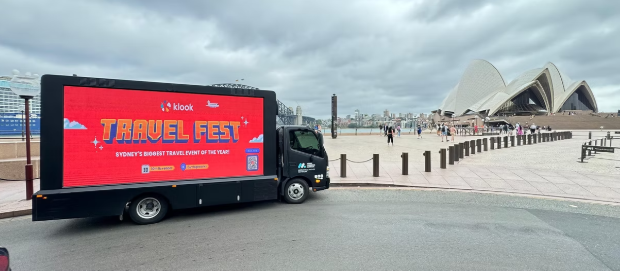
Location plays a decisive role in the success of any mobile outdoor campaign. While creative visuals and messaging matter, visibility and audience exposure ultimately depend on where the advertisement travels. In the middle of planning a mobile marketing strategy, truck billboard advertising requires careful location selection to ensure the message reaches the right people at the right time and delivers measurable impact.
Understand Your Target Audience First
Identify Demographics and Behaviour
Before selecting routes or stopping points, it is essential to understand who the campaign is meant to reach. Consider factors such as age group, income level, profession, and lifestyle habits. Knowing whether the audience consists of commuters, shoppers, tourists, or event attendees helps narrow down high-value locations where engagement is most likely.
Match Locations With Daily Movement
Effective location planning aligns advertising routes with where the target audience naturally spends time. Business districts, entertainment hubs, college areas, and shopping corridors often provide strong exposure due to consistent foot and vehicle traffic.
Analyse Traffic Patterns and Visibility
High Traffic Does Not Always Mean High Impact
While busy roads may seem ideal, traffic flow quality matters just as much as volume. Areas with slow-moving traffic or frequent stops allow more time for people to absorb the message. Intersections, traffic lights, and congestion zones often deliver higher recall than fast highways.
Line of Sight and Viewing Angles
Clear visibility is critical. Routes should avoid obstructions such as trees, overpasses, or tightly packed buildings that limit viewing angles. Wide streets and open urban corridors allow the advertisement to stand out and remain visible for longer periods.
Leverage Event-Based and Time-Specific Locations
Align Routes With Events
Mobile billboards are especially effective near concerts, festivals, sports events, and trade shows. These environments attract large, concentrated audiences who are already receptive to promotional messaging. Strategic routing during peak event hours maximises impressions.
Consider Time of Day
Morning and evening commute times offer high exposure for campaigns targeting working professionals. Midday routes may perform better near shopping centres or tourist attractions. Matching location selection with time-based audience behaviour strengthens campaign efficiency.
Use Data and Technology for Smarter Decisions
GPS and Route Analytics
Modern mobile advertising providers use GPS tracking and performance analytics to identify the most effective routes. This data-driven approach helps optimise exposure, monitor coverage, and adjust locations in real time for better results.
Testing and Refinement
Running test routes allows advertisers to compare performance across different locations. Campaigns can then be refined to focus on areas generating the highest engagement and brand recall.
Balance Fixed Stops and Continuous Movement
Some campaigns benefit from scheduled stops in high-footfall areas such as downtown plazas, shopping strips, or waterfronts. Others perform better with continuous movement through multiple neighbourhoods. A balanced approach ensures broad reach while maximising dwell time in strategic zones. In the middle of a campaign, evaluating results and adjusting truck billboard advertising routes helps maintain momentum and effectiveness.
Comply With Local Regulations
Every city has regulations governing mobile advertising routes, parking zones, and display usage. Choosing compliant locations avoids fines and ensures uninterrupted exposure. Working with experienced providers helps navigate these rules efficiently.
Evaluate Long-Term Brand Exposure
Beyond short-term impressions, location selection should support long-term brand recognition. Repeated exposure in familiar areas builds trust and recall. In one of the final planning stages, refining routes based on performance data ensures truck billboard advertising continues to deliver sustained value throughout the campaign duration.
Conclusion
Choosing the right locations transforms mobile campaigns from simple visibility tools into powerful marketing assets. By understanding audience behaviour, analysing traffic patterns, leveraging technology, and aligning routes with strategic objectives, businesses can maximise reach and engagement. When planned effectively, mobile formats complement broader strategies such as digital advertising billboard campaigns, creating cohesive, high-impact brand exposure across multiple channels.

![Epoxy Curing Agents Market Growth Analysis Report | Industry Status, Market Opportunities, Key Challenges, Competitive Strategies, Revenue Breakdown, and Forecast Outlook [2025–2034]](https://driftelano.com/wp-content/uploads/2025/12/Epoxy-Curing-Agents-Market.jpg)
![EMI Shielding Market Insights and Analysis [2025–2034] | Industry Performance, Growth Opportunities, Risk Factors, Strategic Developments, and Long-Term Market Projections](https://driftelano.com/wp-content/uploads/2025/12/EMI-Shielding-Market.jpg)


![Dimethyl Ether (DME) Market [Latest Reports] | Business Environment Analysis, Corporate Strategies, Competitive Benchmarking, Investment Trends, and Emerging Market Developments [2025–2034]](https://driftelano.com/wp-content/uploads/2025/12/Dimethyl-Ether-DME-Market.png)
Leave a Reply