
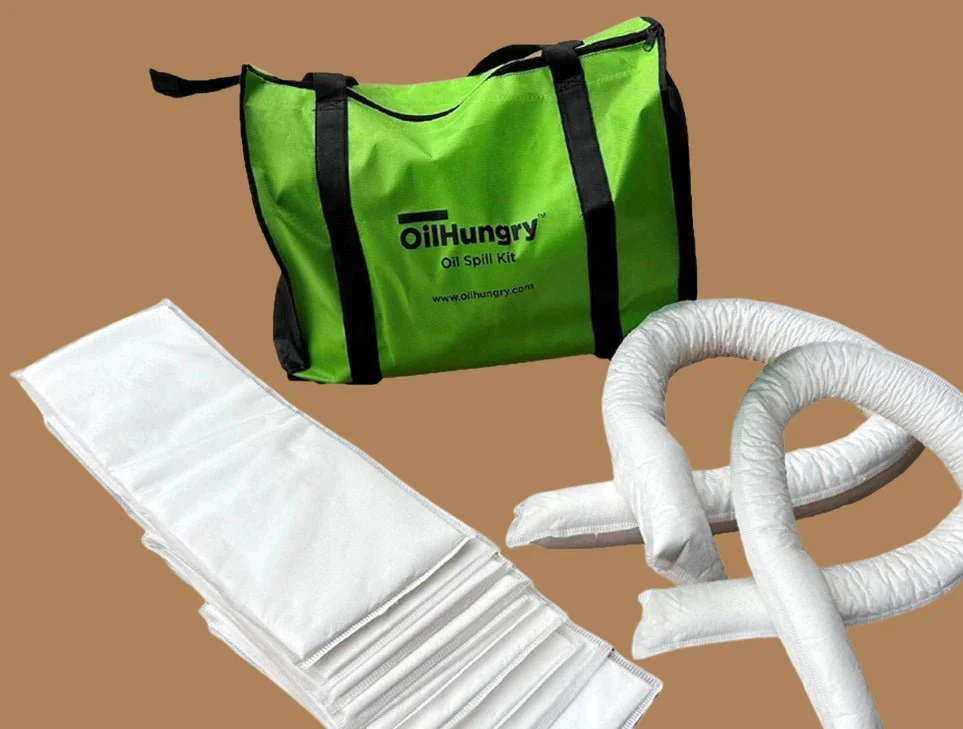
Oil spills are a significant environmental concern, especially in industries dealing with chemicals, petroleum products, and other hazardous substances. Whether it’s a minor spill or a major disaster, an effective oil spill kit can make the difference in controlling the situation and preventing widespread contamination. In this guide, we’ll explore the importance of oil spill kits, their components, and how to choose the right one for your needs.
What is an Oil Spill Kit?
An oil spill kit is a collection of materials and tools designed to contain and clean up oil or petroleum-based substances after they have been spilled. These kits are used by businesses, industries, and even individuals to handle oil spills quickly and efficiently. They help prevent further contamination and minimize environmental damage.
Why Are Oil Spill Kits Important?
The main purpose of oil spill kits is to provide immediate response when oil or other hazardous liquids are accidentally released into the environment. In industrial settings, spills can occur due to equipment failure, human error, or accidents. Without a proper oil spill response, the consequences can be severe, including damage to wildlife, soil, and water sources. Oil spill kits are essential to mitigate these risks and ensure compliance with environmental regulations.
Here are some key reasons why oil spill kits are important:
-
Rapid Response: The quicker you can contain a spill, the less impact it has on the environment. Oil spill kits provide everything needed to respond to the spill immediately.
-
Compliance: Many industries are required by law to have oil spill kits on hand. Failing to comply with regulations can result in hefty fines or other legal consequences.
-
Environmental Protection: Oil spills can harm marine life, water resources, and ecosystems. Having the right kit helps prevent these disasters and keep the environment safe.
-
Workplace Safety: Oil spills in the workplace can create slippery surfaces, increasing the risk of slips, trips, and falls. Oil spill kits help keep workspaces clean and safe.
Key Components of an Oil Spill Kit
An oil spill kit typically contains a variety of materials to absorb, contain, and clean up spills. The exact contents may vary depending on the size of the kit and its intended use, but common items include:
1. Absorbents:
Absorbent materials are used to soak up oil and petroleum products from the surface. These can be in the form of pads, rolls, pillows, or loose absorbents such as granules. Absorbents are designed to attract and hold oil, leaving the water or surface beneath clean and free from contamination.
2. Booms:
Booms are floating barriers that can be deployed around a spill to contain the spread of the oil. They are particularly useful in preventing oil from drifting into nearby water bodies.
3. Skimmers:
Skimmers are tools used to remove oil from the surface of water. These can be manual or motorized devices that help collect the oil for disposal.
4. PPE (Personal Protective Equipment):
To protect workers from exposure to harmful chemicals or oils, oil spill kits include gloves, goggles, and sometimes full-body suits. This ensures that responders stay safe while cleaning up the spill.
5. Disposal Bags:
Once the oil has been absorbed or collected, it needs to be disposed of properly. Disposal bags or containers are included in the kit to store contaminated materials before they are sent to a landfill or recycling facility.
6. Instruction Manual:
A detailed guide on how to use the oil spill kit effectively, including step-by-step instructions on how to handle different types of spills, is often included in the kit.
Types of Oil Spill Kits
There are different types of oil spill kits designed for various environments and spill scenarios. The main types are:
1. General-Purpose Oil Spill Kits:
These kits are suitable for containing and cleaning up oils, fuels, and other petroleum-based liquids. They are ideal for environments such as factories, workshops, and warehouses.
2. Marine Oil Spill Kits:
Marine oil spill kits are specifically designed for use in aquatic environments. They include booms and skimmers for water-based spills, along with absorbents that are capable of handling oils on water.
3. Industrial Oil Spill Kits:
These kits are designed for large-scale spills that may occur in industrial settings. They are equipped with more absorbents and heavy-duty tools for handling significant volumes of oil.
4. Vehicle Spill Kits:
Small and portable, these kits are meant for use in vehicles, trucks, and trailers. They contain enough material to handle smaller spills and can be easily stored in a vehicle for emergency use.
How to Choose the Right Oil Spill Kit
Choosing the right oil spill kit depends on several factors, including the type of oil you’re dealing with, the environment in which the spill occurs, and the size of the potential spill. Here are some things to consider:
1. Type of Spill:
Different oils require different types of absorbents. If you’re dealing with vegetable oils, a general-purpose spill kit may be sufficient. However, if you’re dealing with petroleum-based oils, you’ll need a specialized oil spill kit.
2. Location:
Consider where the spill might occur. For example, if you’re working near water, a marine oil spill kit is essential. If the spill is likely to happen on land, a general-purpose or industrial kit may be more appropriate.
3. Size of Spill:
Assess the potential size of a spill. For larger spills, you’ll need a kit with more absorbent materials and tools. Smaller kits are perfect for quick, minor spills.
4. Compliance Requirements:
Ensure that your oil spill kit meets the specific regulatory standards in your industry. This could include meeting local environmental laws or OSHA guidelines.
Maintenance and Disposal of Oil Spill Kits
An oil spill kit is only effective if it’s well-maintained. Check the contents regularly to ensure that all items are in good condition and replace any used materials. Also, dispose of contaminated absorbents and other materials safely, following local regulations.
Conclusion
Oil spill kits are vital tools for protecting the environment and ensuring workplace safety. By being prepared for spills, businesses can minimize their impact on the environment and comply with regulations. Whether you’re in the industrial, marine, or commercial sector, investing in the right oil spill kit is a proactive step in protecting your assets and the planet.

![Epoxy Curing Agents Market Growth Analysis Report | Industry Status, Market Opportunities, Key Challenges, Competitive Strategies, Revenue Breakdown, and Forecast Outlook [2025–2034]](https://driftelano.com/wp-content/uploads/2025/12/Epoxy-Curing-Agents-Market.jpg)
![EMI Shielding Market Insights and Analysis [2025–2034] | Industry Performance, Growth Opportunities, Risk Factors, Strategic Developments, and Long-Term Market Projections](https://driftelano.com/wp-content/uploads/2025/12/EMI-Shielding-Market.jpg)


![Dimethyl Ether (DME) Market [Latest Reports] | Business Environment Analysis, Corporate Strategies, Competitive Benchmarking, Investment Trends, and Emerging Market Developments [2025–2034]](https://driftelano.com/wp-content/uploads/2025/12/Dimethyl-Ether-DME-Market.png)
Leave a Reply