
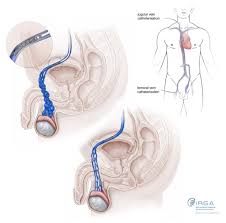
Varicocele is a condition characterized by enlarged veins in the scrotum, similar to varicose veins in the legs. It is a common issue affecting men, particularly those aged 15–25, and can lead to discomfort, pain, and even fertility problems. While not all cases require treatment, when varicocele causes noticeable symptoms or impacts sperm quality, medical intervention becomes necessary.
Traditionally, varicocele was treated through surgery, but modern medicine has introduced a minimally invasive approach known as varicocele embolisation. This technique offers effective results with shorter recovery times and fewer complications compared to conventional surgery.
What is Varicocele Embolisation?
Varicocele embolisation is a non-surgical procedure performed by an interventional radiologist. It involves inserting a thin catheter through a vein, usually in the groin or neck, and navigating it to the affected veins in the scrotum. Once in position, the problematic veins are blocked using coils or a special medical solution, redirecting blood flow to healthy veins.
This minimally invasive approach provides several advantages:
-
Quick Recovery: Most patients resume normal activities within a day or two.
-
Minimal Pain: The procedure is performed under local anesthesia, reducing discomfort.
-
High Success Rates: Studies show embolisation effectively improves vein function and fertility in most cases.
-
No Scars: Unlike surgical methods, embolisation avoids incisions, ensuring no visible scars.
Symptoms Indicating the Need for Treatment
Not all varicoceles require medical intervention. However, treatment is recommended if you experience:
-
Dull or aching pain in the scrotum
-
Swelling or a feeling of heaviness in the testicle
-
Visible or palpable enlarged veins
-
Decreased fertility or abnormal sperm parameters
Consultation with a specialist is essential to determine whether varicocele embolisation is suitable. Diagnostic imaging, such as an ultrasound, often confirms the presence and severity of varicoceles.
Step-by-Step Process of Varicocele Embolisation
Understanding the procedure helps reduce anxiety and sets realistic expectations:
-
Preparation: The patient may be asked to avoid food or drink for a few hours before the procedure. A local anesthetic is applied to numb the insertion area.
-
Catheter Insertion: A thin catheter is carefully inserted into a vein in the groin or neck.
-
Vein Mapping: Using X-ray guidance, the interventional radiologist locates the enlarged veins.
-
Embolisation: Coils, plugs, or a medical solution are deployed to block the faulty veins.
-
Completion: The catheter is removed, and a small bandage is applied. Most patients are monitored for a short period before going home.
The entire procedure usually takes less than an hour, and patients can often return home the same day.
Benefits of Choosing Varicocele Embolisation
Varicocele embolisation offers numerous advantages over traditional surgical treatment:
-
Minimally Invasive: No large incisions or stitches are needed.
-
Faster Recovery: Normal activities can often be resumed within 24–48 hours.
-
Lower Risk of Complications: Reduced risk of infection, hydrocele formation, or testicular injury.
-
Improved Fertility: Many men see improvement in sperm count and quality following the procedure.
-
Outpatient Procedure: No overnight hospital stay is required, making it convenient for busy lifestyles.
Recovery and Aftercare
Post-procedure care is straightforward but important for optimal results:
-
Rest: Avoid strenuous activities for 1–2 days.
-
Pain Management: Mild discomfort can be managed with over-the-counter pain medication.
-
Follow-Up: A follow-up ultrasound may be recommended to ensure the veins are properly blocked.
-
Lifestyle Adjustments: Wearing supportive underwear and maintaining a healthy weight may aid recovery.
Most patients report minimal discomfort and return to their routine quickly, making varicocele embolisation a preferred treatment for many men.
Who Can Benefit Most
Varicocele embolisation is particularly beneficial for:
-
Men experiencing chronic scrotal discomfort
-
Couples facing infertility challenges due to varicocele
-
Individuals seeking a less invasive alternative to surgery
-
Those who prefer a quicker recovery and minimal downtime
Risks and Considerations
Although varicocele embolisation is safe and effective, some risks exist, such as:
-
Minor bruising or bleeding at the catheter site
-
Rare recurrence of varicocele
-
Allergic reaction to contrast dye used during imaging
A detailed discussion with a specialist ensures patients understand the benefits and risks before proceeding.
Conclusion
Varicocele embolisation represents a revolutionary approach to treating varicoceles. It is safe, minimally invasive, and highly effective in alleviating pain and improving fertility outcomes. With quick recovery times and minimal complications, it has become the preferred choice for many men seeking a modern solution to varicocele-related issues.
If you are considering treatment, consult a qualified specialist to explore whether varicocele embolisation is the right option for you. Early intervention can relieve discomfort, enhance quality of life, and potentially improve fertility.

![Epoxy Curing Agents Market Growth Analysis Report | Industry Status, Market Opportunities, Key Challenges, Competitive Strategies, Revenue Breakdown, and Forecast Outlook [2025–2034]](https://driftelano.com/wp-content/uploads/2025/12/Epoxy-Curing-Agents-Market.jpg)
![EMI Shielding Market Insights and Analysis [2025–2034] | Industry Performance, Growth Opportunities, Risk Factors, Strategic Developments, and Long-Term Market Projections](https://driftelano.com/wp-content/uploads/2025/12/EMI-Shielding-Market.jpg)


![Dimethyl Ether (DME) Market [Latest Reports] | Business Environment Analysis, Corporate Strategies, Competitive Benchmarking, Investment Trends, and Emerging Market Developments [2025–2034]](https://driftelano.com/wp-content/uploads/2025/12/Dimethyl-Ether-DME-Market.png)
Leave a Reply