
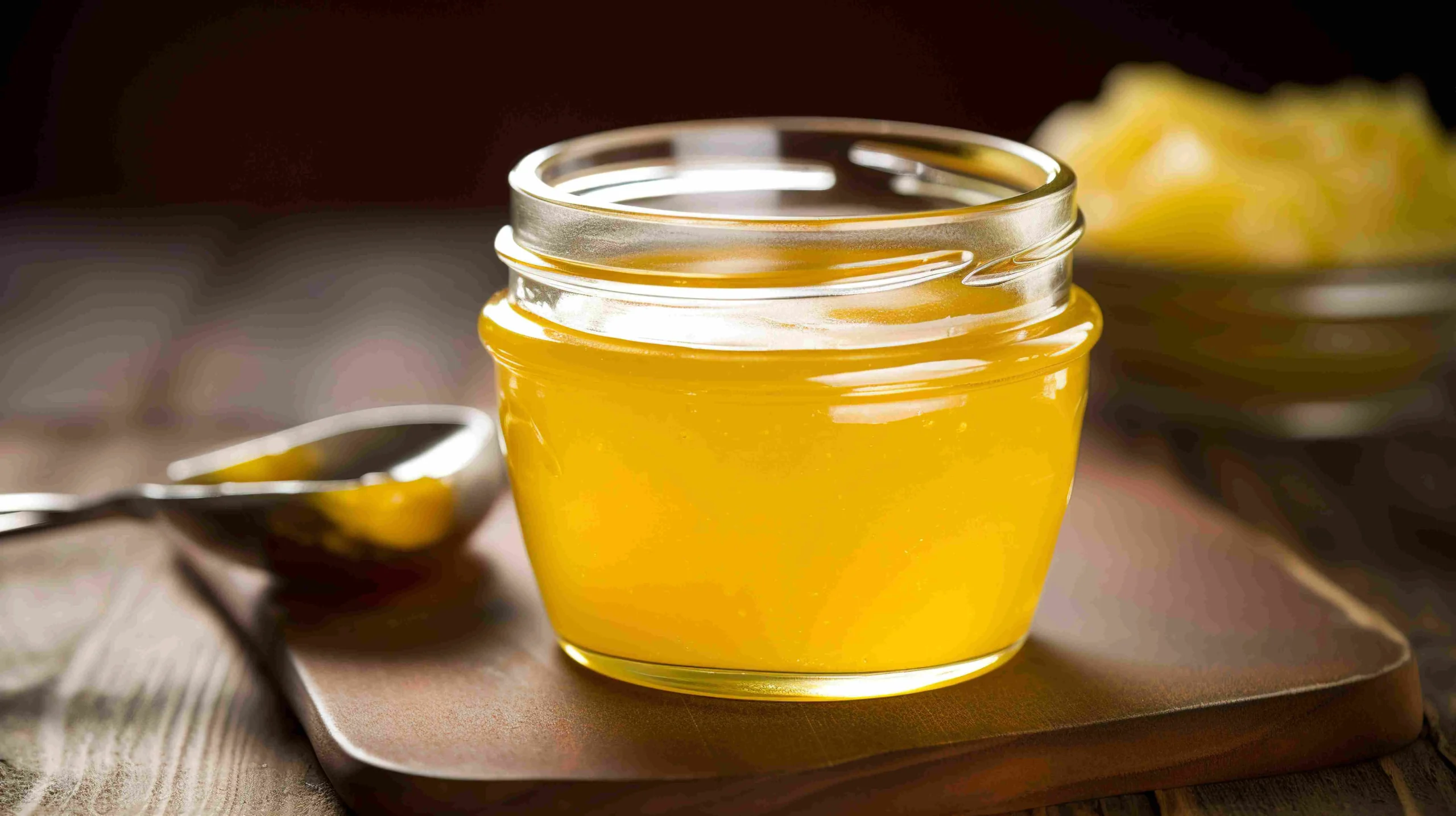
For generations, desi ghee has been an essential part of Pakistani kitchens. From rural villages to busy urban homes, it holds a respected place in daily cooking and traditional remedies. This golden fat is more than just a cooking ingredient; it represents heritage, nourishment, and authentic taste deeply rooted in South Asian culture.
In recent years, people across Pakistan have become more conscious about food quality and health. This awareness has renewed interest in traditional fats, especially pure cow ghee, which is now preferred over heavily processed cooking oils.
Understanding What Makes Desi Ghee Special
Desi ghee is traditionally made by slow-cooking butter obtained from cow’s milk until the milk solids separate, leaving behind a rich, aromatic fat. Unlike industrial oils, it undergoes minimal processing and retains valuable nutrients.
Difference Between Desi Ghee and Vegetable Oils
Modern vegetable oils are often refined, bleached, and deodorized, which reduces their nutritional value. Desi ghee, on the other hand, remains stable at high temperatures and does not break down into harmful compounds during cooking.
In Pakistani cuisine, where frying and slow-cooked curries are common, this stability makes desi ghee a safer and tastier option.
Cow Ghee vs Buffalo Ghee
Both cow and buffalo ghee are used in Pakistan, but cow ghee is lighter in texture and easier to digest. Many families prefer it for daily use, especially for children and elderly members, due to its gentle impact on digestion.
Nutritional Profile and Health Benefits
Traditional diets in Pakistan have always relied on natural fats for energy. Desi ghee provides a concentrated source of healthy fats and fat-soluble vitamins.
Supports Digestive Health
Ayurvedic and Unani practices, still respected in many parts of Pakistan, consider ghee beneficial for digestion. It helps stimulate digestive enzymes and supports gut health when consumed in moderation.
Regular consumption of pure cow ghee can help reduce acidity issues and improve nutrient absorption, especially in meals rich in lentils and vegetables.
Strengthens Immunity and Energy Levels
Ghee contains vitamins A, D, E, and K, which play a key role in immunity, bone strength, and overall vitality. In rural Pakistani households, it is often given to children during winter to maintain energy and resistance against seasonal illnesses.
Beneficial for Heart Health When Used Wisely
There is a common misconception that all fats are harmful for the heart. In reality, traditional fats consumed in balanced quantities can support good cholesterol levels. Ghee made from cow’s milk contains healthy fatty acids that may help maintain cardiovascular health when combined with an active lifestyle.
Role of Desi Ghee in Pakistani Cuisine
Pakistani food is known for its bold flavors, rich gravies, and comforting aromas. Desi ghee enhances these qualities naturally.
Enhancing Traditional Dishes
Classic dishes such as dal makhani, haleem, karahi, and biryani achieve their authentic taste when cooked with desi ghee. Even a small amount can elevate flavor without overpowering spices.
In rural Punjab and Sindh, freshly made rotis topped with ghee and jaggery are still considered a wholesome breakfast.
Use in Sweets and Desserts
Pakistani mithai like halwa, laddoos, and barfi depend heavily on ghee for texture and aroma. Sweets prepared with pure cow ghee have a longer shelf life and richer taste compared to those made with artificial fats.
Identifying High-Quality Ghee in the Pakistani Market
Due to increasing demand, the market is flooded with products labeled as desi ghee. However, not all offer the same quality.
Characteristics of Authentic Ghee
Good-quality ghee has a natural grainy texture, pleasant aroma, and golden-yellow color. When stored at room temperature, it may solidify in winter and liquefy in summer, which is a natural behavior.
Pure cow ghee does not leave a greasy aftertaste and feels light when consumed.
Tips for Choosing the Right Brand
When buying from stores or online platforms in Pakistan, it is important to check sourcing, manufacturing methods, and customer reviews. Ghee prepared using traditional bilona or slow-churn methods is usually superior in quality.
Local dairy farms and trusted brands that focus on purity and transparency are often safer choices.
Storage and Usage Tips for Everyday Cooking
Proper storage helps maintain freshness and nutritional value.
Best Storage Practices
Ghee should be stored in an airtight container, away from moisture and direct sunlight. In most Pakistani climates, refrigeration is not necessary unless temperatures are extremely high.
Using a dry spoon every time prevents contamination and extends shelf life.
How Much Is Enough?
Moderation is key. One to two teaspoons daily are sufficient to enjoy health benefits without excessive calorie intake. Pairing ghee with whole grains, vegetables, and lentils creates balanced meals suitable for Pakistani households.
Growing Popularity Among Health-Conscious Consumers
Urban consumers in cities like Lahore, Karachi, and Islamabad are increasingly switching back to traditional fats. Fitness enthusiasts and families alike now prefer pure cow ghee as part of clean eating habits.
Its use in keto and low-carb diets has also contributed to rising demand, especially among young professionals looking for natural energy sources.
Final Thoughts
Desi ghee is not just a cooking fat; it is a symbol of tradition, nourishment, and authentic Pakistani flavor. With growing awareness about food quality and long-term health, returning to traditional choices makes sense.
When sourced carefully and used in moderation, pure cow ghee can be a valuable addition to daily meals, offering both taste and nutrition. Embracing this age-old ingredient allows Pakistani households to stay connected to their culinary roots while supporting a healthier lifestyle.

![Epoxy Curing Agents Market Growth Analysis Report | Industry Status, Market Opportunities, Key Challenges, Competitive Strategies, Revenue Breakdown, and Forecast Outlook [2025–2034]](https://driftelano.com/wp-content/uploads/2025/12/Epoxy-Curing-Agents-Market.jpg)
![EMI Shielding Market Insights and Analysis [2025–2034] | Industry Performance, Growth Opportunities, Risk Factors, Strategic Developments, and Long-Term Market Projections](https://driftelano.com/wp-content/uploads/2025/12/EMI-Shielding-Market.jpg)

![Dimethyl Ether (DME) Market [Latest Reports] | Business Environment Analysis, Corporate Strategies, Competitive Benchmarking, Investment Trends, and Emerging Market Developments [2025–2034]](https://driftelano.com/wp-content/uploads/2025/12/Dimethyl-Ether-DME-Market.png)
Leave a Reply