
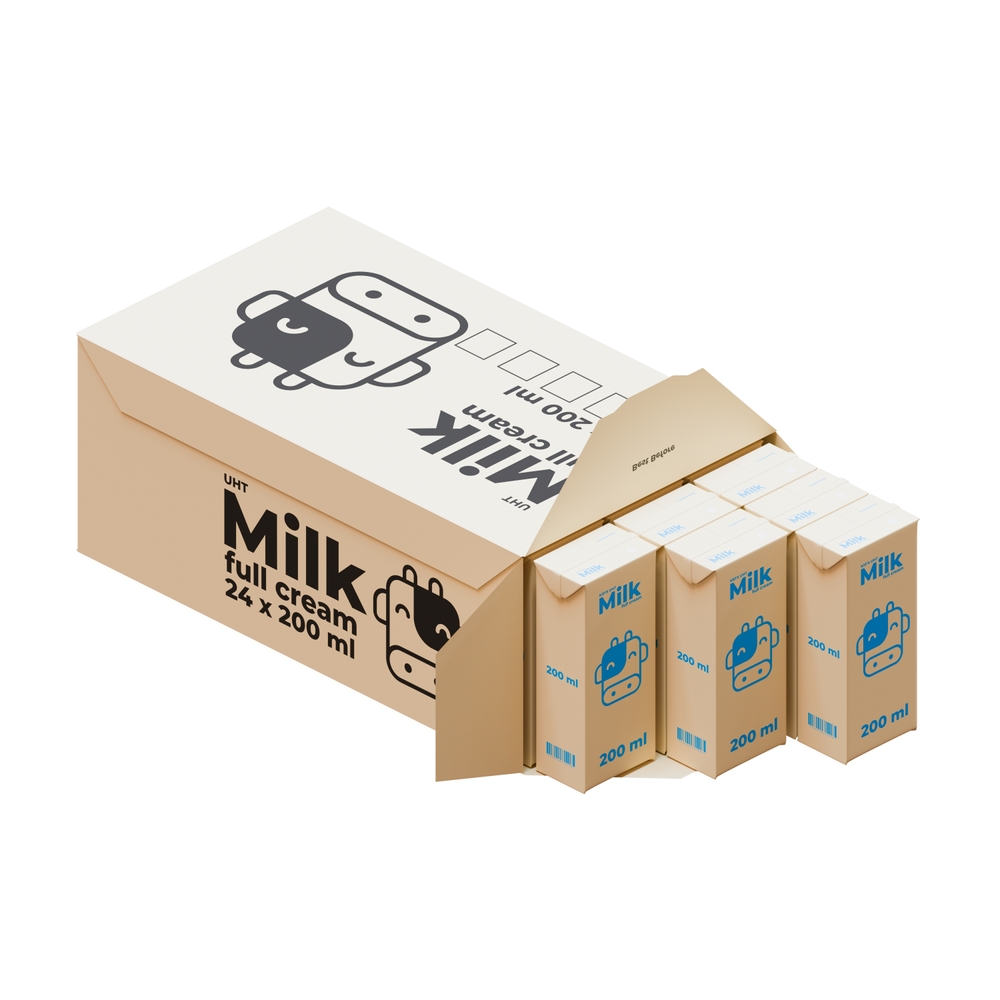
Running a successful food business requires more than just delicious food. The packaging you choose plays a crucial role in protecting your products, building your brand, and creating memorable customer experiences. Custom food boxes have become essential for restaurants, bakeries, catering companies, and food delivery services looking to stand out in today’s competitive market. This comprehensive guide will help you understand everything about custom food boxes and how they can transform your food business.
What Are Custom Food Boxes?
Custom food boxes are specially designed food-grade containers that feature your business logo, brand colors, and unique designs. Unlike plain generic takeout containers, these personalized packaging solutions turn every order into a marketing opportunity while keeping food fresh and safe during transport. They come in various materials, sizes, and styles to suit different types of food and business needs.
These boxes serve multiple important purposes. First and most importantly, they protect your food during delivery and help maintain proper temperature—similar to the protective qualities of Custom Mylar Bags used for food packaging. Second, they showcase your brand identity and build recognition. Third, they provide a professional appearance that strengthens customer trust and loyalty.
Why Your Food Business Needs Custom Food Boxes
Every time a customer receives your food order, they see your brand. This repeated exposure builds powerful recognition in a crowded marketplace. Think about successful food chains – their packaging is instantly recognizable from across the room. You can achieve the same recognition with custom printed food boxes, whether you’re a small local bakery or a growing restaurant chain.
Today’s food customers expect more than just good food in a plain container. They want an experience worth sharing on social media. Custom food boxes allow you to design that experience from the moment customers open their delivery. You can add special touches like custom printed interiors, thank you messages, promotional offers, or QR codes linking to your menu.
Food safety isn’t optional – it’s a legal requirement. Custom food boxes made from FDA-approved materials ensure you’re meeting all food contact regulations. These boxes use food-safe inks, coatings, and materials that won’t contaminate your products or pose health risks to customers.
Types of Custom Food Boxes for Different Businesses
Restaurants need versatile packaging that handles various menu items. Custom takeout boxes come in multiple compartments to separate different foods, preventing mixing and maintaining quality. Grease-resistant materials keep oils and sauces contained while ventilation options prevent steam buildup that makes food soggy. These containers range from simple one-compartment boxes for sandwiches to complex multi-section designs for complete meals with sides.
Bakeries require specialized packaging that protects delicate items while displaying them attractively, which is why Custom Rigid Boxes are often chosen for premium bakery presentations. Custom bakery boxes frequently include clear windows that showcase cakes, cookies, and pastries without opening the package. These boxes are made from sturdy materials that can support heavier items like layer cakes while maintaining structural integrity during transport
Pizza boxes represent one of the most recognizable forms of food packaging. Custom pizza boxes turn this familiar format into powerful brand advertising. Your design travels through neighborhoods, sits on dining tables, and gets photographed for social media, providing extended brand exposure far beyond the initial purchase. Modern pizza box printing allows full-color designs, unique shapes, and creative features like perforated serving plates or built-in dipping sauce holders. These functional additions enhance customer experience while reinforcing your brand identity.
Catering businesses need packaging that handles large quantities while maintaining professional presentation. Custom catering boxes come in family-size portions and feature sturdy construction that supports heavy foods. Many include handles for easy transport and stacking designs that simplify delivery logistics.
Choosing the Right Materials
Cardboard remains the most popular choice for food packaging due to its versatility, affordability, and eco-friendliness. Corrugated cardboard offers extra strength for heavier items while folding carton paperboard works well for lighter foods. Both materials accept high-quality printing and can be customized with various coatings for grease and moisture resistance. Food-grade cardboard comes in different thicknesses measured by caliper or point size.
Foods containing oils, sauces, or liquids require special protection to prevent leaking and box deterioration. Grease-resistant coatings create barriers that keep oils contained while maintaining box integrity. These coatings use food-safe materials approved by FDA regulations and don’t affect food taste or safety. Moisture-resistant treatments protect boxes from steam and condensation that can weaken cardboard
More customers choose businesses that prioritize environmental responsibility. Eco-friendly food boxes made from recycled materials, biodegradable compounds, or compostable substances demonstrate your commitment to sustainability. These options often cost slightly more than standard materials but provide significant marketing value by appealing to environmentally conscious customers.
Design Considerations for Food Boxes
Your food box design should immediately communicate your brand identity. Use bold colors that match your restaurant’s theme, clear typography that’s easy to read, and professional logos that build recognition. Consider your target audience when selecting design elements – family restaurants might use playful designs while upscale establishments prefer elegant sophistication.
Beyond attractive design, your food boxes need practical information. Include your business name, logo, contact information, website, and social media handles so customers can easily reorder or recommend you. QR codes linking to online menus, ordering systems, or loyalty programs add modern functionality while tracking customer engagement.
Most food businesses need multiple box sizes for different menu items and portion sizes. Design a cohesive system where all your boxes share common branding elements while varying in dimensions. This creates visual consistency across your packaging line while accommodating everything from individual desserts to family-sized meals.
Ordering Process and Costs
Choose suppliers with proven experience in food packaging who understand FDA compliance requirements. Check customer reviews, request samples before placing large orders, and verify they use food-safe materials and inks. Quality suppliers provide guidance on material selection, design optimization, and regulatory compliance. Ask about minimum order quantities, especially if you’re a small business testing custom packaging for the first time. Some suppliers specialize in lower minimums for smaller operations while others focus on high-volume restaurant chains.
Custom food box pricing depends on several factors including material type, box size, printing complexity, and order quantity. Expect to pay more for premium materials, full-color printing, and special finishes like embossing or spot UV coating. However, larger order quantities significantly reduce per-unit costs through economies of scale. Basic printed cardboard boxes might cost $0.30 to $1.50 each, while premium options with multiple colors and special finishes can range from $1.50 to $5.00 or more.
Plan ahead when ordering custom food boxes. Typical production schedules include design approval time, manufacturing lead time, and shipping duration. Most orders take 2-4 weeks from final design approval to delivery. Rush production is available from some suppliers but comes with premium pricing. Order well before busy seasons, holidays, or special promotions to ensure adequate inventory.
Maintaining Food Quality During Delivery
Different foods require different packaging approaches. Hot foods need materials that retain heat without creating excessive moisture that makes items soggy. Ventilation holes or slots allow steam to escape while maintaining warmth. Cold foods require insulation and compatibility with ice packs or refrigeration during longer deliveries. Consider your delivery radius and typical transport times when selecting materials. Longer delivery windows need more robust temperature management features built into packaging design.
Secure closure systems help prevent accidents during transport, and Custom Rigid Boxes are often designed with reinforced structures to enhance overall safety. Closure options include interlocking tabs, adhesive strips, or staple closures, depending on your needs and budget. Multi-compartment designs keep sauces and dressings separate from main dishes, preventing unwanted mixing and preserving food quality.
Maximizing Marketing Impact
Design packaging that customers want to photograph and share. Include your social media handles prominently and create branded hashtags that build community around your business. Consider adding shareable elements like inspirational quotes, fun facts, or interactive games—such as quick tips inspired by the latest Health News—that enhance the dining experience. Some successful restaurants include small surprises inside packaging like discount codes for next orders, stickers, or fortune cookie–style messages that delight customers and encourage repeat business
Monitor how custom packaging affects your business metrics. Track social media mentions, new customer inquiries, repeat order rates, and overall brand awareness. Many businesses find that investing in quality branded packaging pays for itself through increased customer loyalty, word-of-mouth marketing, and premium pricing power. Survey customers about their packaging experience and use feedback to refine designs and improve functionality. This continuous improvement approach ensures your packaging investment delivers maximum business value.
Frequently Asked Questions
What materials are food-safe for custom food boxes?
Food-safe materials include FDA-approved paperboard, corrugated cardboard with food-grade coatings, and certain plastics designed for food contact. These materials must meet FDA regulations in 21 CFR Parts 175-177 and use approved inks and adhesives that won’t migrate into food.
How much do custom food boxes cost?
Prices typically range from $0.30 to $5.00 per box depending on size, material, printing complexity, and order quantity. Basic one-color printed boxes cost less while full-color designs with special finishes cost more. Larger order quantities significantly reduce per-unit pricing.
What are minimum order quantities for custom food boxes?
Minimum order quantities vary by supplier and printing method, typically ranging from 250 to 1,000 boxes. Digital printing allows smaller minimums while offset printing requires larger quantities but offers better per-unit pricing for high-volume needs.
How long does it take to receive custom food boxes?
Total timeline from order to delivery typically takes 2-4 weeks, including design approval, production time, and shipping. Rush production can reduce this to 1-2 weeks for additional fees.
Are eco-friendly custom food boxes available?
Yes, sustainable options include recycled cardboard, FSC-certified materials, compostable containers, and biodegradable alternatives. These options typically cost 10-30% more than standard materials but provide marketing value by demonstrating environmental responsibility.
Conclusion
Custom food boxes represent a powerful investment in your food business’s success. By choosing quality materials, creating attractive designs, and working with reliable suppliers, you transform ordinary packaging into effective marketing tools that build brand recognition and customer loyalty. Whether you’re starting a new restaurant, rebranding an existing business, or expanding your delivery services, custom food boxes help you stand out in competitive markets while ensuring food safety and quality.

![Epoxy Curing Agents Market Growth Analysis Report | Industry Status, Market Opportunities, Key Challenges, Competitive Strategies, Revenue Breakdown, and Forecast Outlook [2025–2034]](https://driftelano.com/wp-content/uploads/2025/12/Epoxy-Curing-Agents-Market.jpg)
![EMI Shielding Market Insights and Analysis [2025–2034] | Industry Performance, Growth Opportunities, Risk Factors, Strategic Developments, and Long-Term Market Projections](https://driftelano.com/wp-content/uploads/2025/12/EMI-Shielding-Market.jpg)
![Dimethyl Ether (DME) Market [Latest Reports] | Business Environment Analysis, Corporate Strategies, Competitive Benchmarking, Investment Trends, and Emerging Market Developments [2025–2034]](https://driftelano.com/wp-content/uploads/2025/12/Dimethyl-Ether-DME-Market.png)
Leave a Reply