
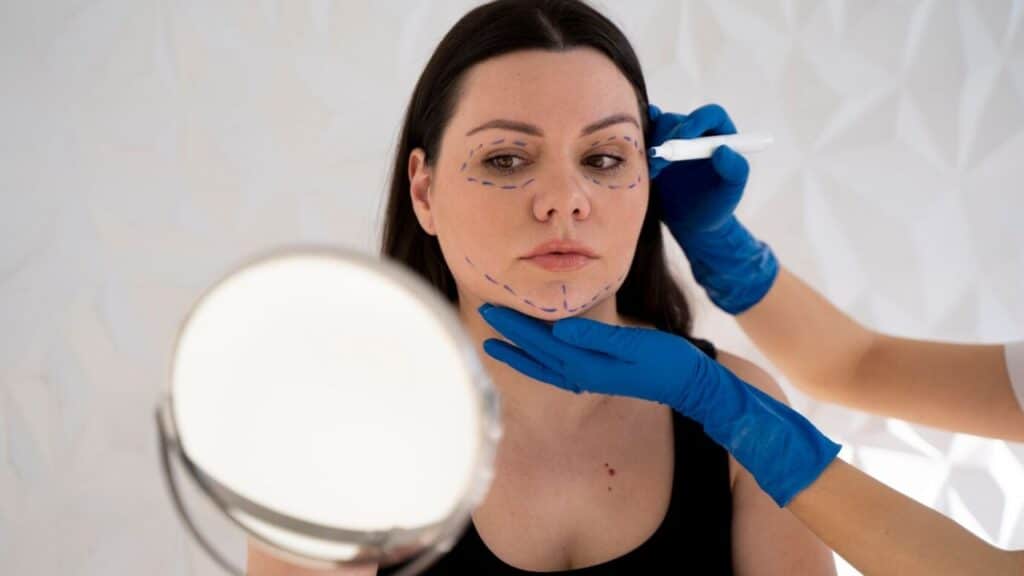
In the ever-evolving world of aesthetic dermatology and regenerative medicine, polynucleotide treatment has emerged as a promising approach to combat signs of aging, improve skin quality, and revitalize aging or damaged skin at its most fundamental levels.
Unlike traditional fillers that simply smooth or fill out wrinkles, polynucleotide therapies target the cellular and molecular processes that underlie skin renewal and repair. Although research in this area continues to grow, current evidence and clinical practice shed light on how this innovative treatment works and why it’s gaining popularity among clinicians and patients alike.
What Are Polynucleotides?
Polynucleotides (PN) are long chains of nucleotides — the basic building blocks of DNA and RNA — derived from natural sources like salmon DNA. In skin treatments, these fragments are purified and formulated for injection or mesotherapy into the dermis, the second layer of the skin. Because their molecular structure resembles components naturally found in the body, polynucleotides are biocompatible and generally well-tolerated.
Unlike simple hydrating serums or hyaluronic acid fillers that mainly attract water or add temporary volume, polynucleotides aim to stimulate intrinsic biological processes — meaning they work with the skin’s own regenerative machinery rather than just superficially masking imperfections.
How Polynucleotides Act on the Skin at the Cellular Level
To understand how polynucleotide treatment revitalizes skin, it helps to look at its effects on multiple cellular and molecular pathways:
1. Activation of Fibroblasts and Collagen Synthesis
At the core of polynucleotide therapy is its ability to stimulate fibroblasts — the critical cells in the dermis responsible for producing collagen and elastin. These structural proteins form the scaffolding of healthy skin. As we age, fibroblast activity declines, leading to thinning skin, loss of elasticity, and the formation of wrinkles.
Polynucleotides signal fibroblasts to increase production of collagen and elastin. This neocollagenesis (formation of new collagen) strengthens the skin’s structure from within, improving firmness and reducing fine lines over time.
In addition to enhancing collagen, PN treatments may also stimulate the skin’s own production of endogenous hyaluronic acid — a molecule that deeply hydrates tissue. This dual action of structural support and hydration leads to a plumper, more resilient dermis.
2. Enhanced Extracellular Matrix (ECM) Support
The extracellular matrix (ECM) is essentially the “support network” beneath skin cells. It’s composed of proteins, glycosaminoglycans, and other molecules that maintain tissue integrity and elasticity.
Polynucleotides help remodel and enrich this ECM by promoting protein synthesis and influencing cellular behavior. Improved ECM structure means skin is not just more hydrated but better able to maintain its tone, bounce, and resistance to mechanical stress.
3. Hydration and Moisture Retention at a Molecular Level
PN molecules are highly hydrophilic — they attract and bind water efficiently. When introduced into the dermis, they not only improve hydration immediately but also enhance the skin’s natural ability to retain moisture. This deep hydration contributes to a healthier, smoother, and more youthful appearance, especially in dehydrated or dry skin.
This is different from surface moisturizers, which usually affect only the epidermis. Polynucleotide treatment literally increases water retention in deeper skin layers, giving a more sustained hydration effect.
4. Anti-Inflammatory and Antioxidant Effects
Inflammation and oxidative stress — caused by sun exposure, pollution, and metabolic processes — accelerate skin aging and damage. Polynucleotides have been observed to modulate inflammatory responses and possess antioxidant properties. They can reduce pro-inflammatory cytokines and support cellular defense mechanisms against oxidative stress.
This means polynucleotide therapy doesn’t just repair existing damage but also helps protect skin cells from future stressors.
5. Improved Microcirculation and Cellular Nourishment
Another cellular benefit involves enhanced microcirculation, or blood flow, in treated areas. Better circulation means a richer supply of oxygen and nutrients to skin cells, accelerating repair and metabolic function. Healthier cells translate to improved texture, tone, and overall vitality.
Clinical Outcomes and Real-World Results
Although large-scale, high-quality clinical trials are still limited, existing studies and professional surveys indicate promising results:
Reduction in wrinkles, improved skin texture, and increased elasticity have been reported in several clinical settings following PN injections.
Cosmetic dermatologists widely use polynucleotides to address concerns like fine lines, dryness, uneven texture, and enlarged pores, often in combination with other modalities like microneedling or radiofrequency.
Perceived effectiveness in treating facial erythema and promoting barrier repair has been noted by practitioners in some surveys, suggesting utility beyond purely aesthetic goals.
Patients typically notice gradual improvements over weeks to months, as cellular regeneration is a progressive process. Treatments are often delivered in a series of sessions to promote sustained cellular activation.
Safety and Practical Considerations
Polynucleotide treatments are generally considered minimally invasive and safe when performed by qualified practitioners. Common side effects are mild and temporary — such as redness or slight swelling at the injection sites.
However, it’s important to recognize that individual responses vary, and not everyone will experience dramatic changes. Because PN treatments work at a biological level, results tend to develop gradually and may require maintenance over time.
Conclusion
Polynucleotide therapy represents a paradigm shift in aesthetic skin rejuvenation. Instead of merely covering imperfections from the outside, it harnesses the body’s innate regenerative capacity — stimulating fibroblasts, boosting collagen and hydration, modulating inflammation, and enhancing cellular resilience.
By targeting skin health at its foundation — the cellular and molecular levels — polynucleotide treatments aim to deliver improvements that feel natural and sustainable. As research advances and clinical protocols refine, this approach may become a cornerstone of regenerative skincare, bridging cosmetic enhancement with therapeutic biology.

![Epoxy Curing Agents Market Growth Analysis Report | Industry Status, Market Opportunities, Key Challenges, Competitive Strategies, Revenue Breakdown, and Forecast Outlook [2025–2034]](https://driftelano.com/wp-content/uploads/2025/12/Epoxy-Curing-Agents-Market.jpg)
![EMI Shielding Market Insights and Analysis [2025–2034] | Industry Performance, Growth Opportunities, Risk Factors, Strategic Developments, and Long-Term Market Projections](https://driftelano.com/wp-content/uploads/2025/12/EMI-Shielding-Market.jpg)

![Dimethyl Ether (DME) Market [Latest Reports] | Business Environment Analysis, Corporate Strategies, Competitive Benchmarking, Investment Trends, and Emerging Market Developments [2025–2034]](https://driftelano.com/wp-content/uploads/2025/12/Dimethyl-Ether-DME-Market.png)
Leave a Reply