
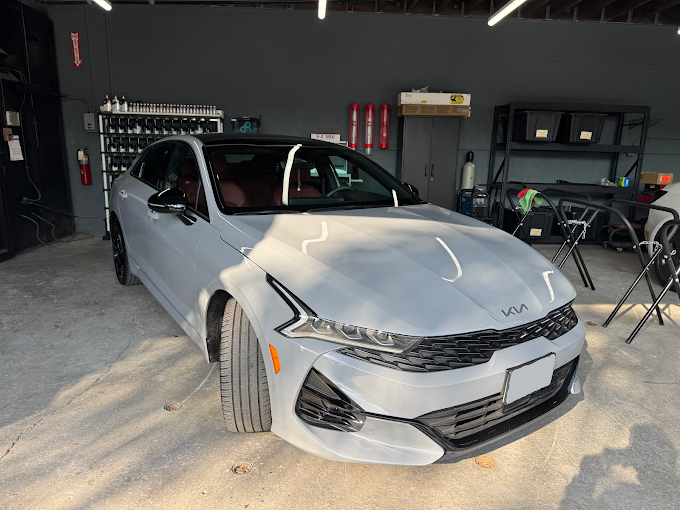
Understanding the Challenges of Larger Vehicles
SUVs and trucks are exposed to unique wear and tear:
-
Mud, sand, and road debris often accumulate in wheel wells and undercarriage areas
-
Cargo areas and truck beds are prone to scratches, stains, and embedded dirt
-
Larger surfaces can be difficult to clean and polish evenly
-
Rugged trim, plastic, and rubber require specialized products to maintain flexibility and appearance
Recognizing these challenges helps detailers plan their workflow effectively.
Pre-Wash Inspection
Before starting, inspect the vehicle carefully:
-
Look for scratches, chips, and paint imperfections
-
Check wheel wells, undercarriage, and truck bed for stubborn dirt or debris
-
Identify areas with tar, sap, or industrial fallout
A common mistake I’ve seen is jumping straight into washing without checking the truck bed or rear fender flares. Skipping inspection can lead to missed spots and scratches during washing.
Insider Tip:
Take photos of heavily soiled or damaged areas. This provides a reference for clients and ensures that no area is overlooked during detailing.
Specialized Washing Techniques
Due to their size and exposure to dirt, SUVs and trucks benefit from slightly different washing methods:
-
Start with a high-pressure rinse to remove loose dirt from wheel wells, undercarriage, and cargo areas
-
Use a two-bucket method with high-quality microfiber mitts for paint surfaces
-
For truck beds, consider using a dedicated brush and mild detergent to remove embedded grime
Observation from the Field:
Vehicles that frequently go off-road often carry fine sand in crevices and rubber seals. Pre-soaking these areas reduces the risk of scratching paint during manual washing.
Wheel, Tire, and Undercarriage Detailing
SUVs and trucks usually have larger, more exposed wheels and tires. Cleaning them properly is essential:
-
Use dedicated wheel cleaners for alloy, chrome, or painted finishes
-
Apply brushes to reach tight spots in deep-lipped rims
-
Rinse undercarriage thoroughly, especially after off-road use or winter conditions with salt exposure
Paying attention to these areas prevents corrosion and maintains the overall aesthetic.
Bed and Cargo Area Cleaning
Truck beds and SUV cargo areas require special attention:
-
Remove all removable liners or mats and clean them separately
-
Treat scratches and scuffs with gentle polish or protectant, especially for coated or spray-on beds
-
For rubber or plastic liners, use conditioners to maintain flexibility and prevent cracking
Many detailers overlook these areas, yet they contribute significantly to the vehicle’s overall appearance and long-term durability.
Paint Decontamination and Polishing
SUVs and trucks accumulate environmental contaminants just like other vehicles, but often in higher quantities due to their size and exposure:
-
Use iron removers for brake dust and industrial fallout
-
Clay bars or clay mitts remove bonded contaminants like tar and overspray
-
Polishing is usually needed for high-contact areas, such as fender flares, tailgates, and lower panels
A personal observation: many detailers try to skip claying on trucks due to their size. This shortcut often leads to scratch marks when waxing or sealing afterward.
Insider Tip:
Work in sections for larger vehicles. This allows you to maintain proper technique, prevents polish from drying prematurely, and ensures even application of protective coatings.
Trim, Plastic, and Chrome Care
SUVs and trucks have more exposed trim and rugged plastics than smaller vehicles:
-
Use dedicated trim cleaners and protectants for bumpers, moldings, and rocker panels
-
Chrome or polished metals require gentle cleaners to remove road grime without scratching
-
Avoid applying wax or polish directly to rubber seals or heavily textured trim
Attention to these details ensures the vehicle maintains its rugged yet polished appearance.
Glass and Mirrors
Glass surfaces on SUVs and trucks are often larger and more exposed:
-
Use streak-free glass cleaners and high-quality microfiber towels
-
Pay attention to side mirrors, rear windows, and sunroof panels
-
Remove any water spots or mineral deposits that could hinder visibility
Clean glass not only improves aesthetics but enhances driver safety.
Final Drying and Protection
Drying is especially important for larger vehicles:
-
Use clean, large microfiber drying towels or air blowers to prevent water spots
-
Apply wax, sealant, or ceramic coating evenly across all panels
-
Protect trim and rubber with UV-resistant conditioners to prevent fading
Consistency ensures a long-lasting finish and reduces maintenance efforts for the client.
Professional Practices for Efficiency
Detailing larger vehicles can be time-consuming. Professionals recommend:
-
Following a structured workflow from pre-wash inspection to final protection
-
Preparing tools and products in advance to avoid interruptions
-
Paying special attention to hard-to-reach areas such as roof racks, bed rails, and underbody panels
According to detailing experts at Auto body repair pasadena, focusing on foundational steps ensures that each process—from cleaning to protection—is more effective and durable.
Common Mistakes to Avoid
-
Skipping cargo area or truck bed cleaning
-
Using standard wash techniques without pre-soaking heavily soiled areas
-
Ignoring undercarriage or wheel well dirt, especially in off-road vehicles
-
Over-polishing sensitive plastics or textured trim
-
Rushing drying and protective coatings on large panels
Avoiding these mistakes preserves both the vehicle’s appearance and its long-term value.
Conclusion
SUV and truck detailing requires specialized techniques, attention to detail, and patience. By approaching these larger vehicles with the right workflow—from inspection and washing to decontamination, polishing, trim care, and protection—detailers can achieve professional results that endure even under tough conditions.
Small practices, such as working in sections, addressing cargo areas, and protecting trim, make a noticeable difference. Consistency, proper technique, and attention to hidden areas are what separate a good detailing job from an exceptional one.
Also read for more information so click here.

![Epoxy Curing Agents Market Growth Analysis Report | Industry Status, Market Opportunities, Key Challenges, Competitive Strategies, Revenue Breakdown, and Forecast Outlook [2025–2034]](https://driftelano.com/wp-content/uploads/2025/12/Epoxy-Curing-Agents-Market.jpg)
![EMI Shielding Market Insights and Analysis [2025–2034] | Industry Performance, Growth Opportunities, Risk Factors, Strategic Developments, and Long-Term Market Projections](https://driftelano.com/wp-content/uploads/2025/12/EMI-Shielding-Market.jpg)

![Dimethyl Ether (DME) Market [Latest Reports] | Business Environment Analysis, Corporate Strategies, Competitive Benchmarking, Investment Trends, and Emerging Market Developments [2025–2034]](https://driftelano.com/wp-content/uploads/2025/12/Dimethyl-Ether-DME-Market.png)
Leave a Reply