
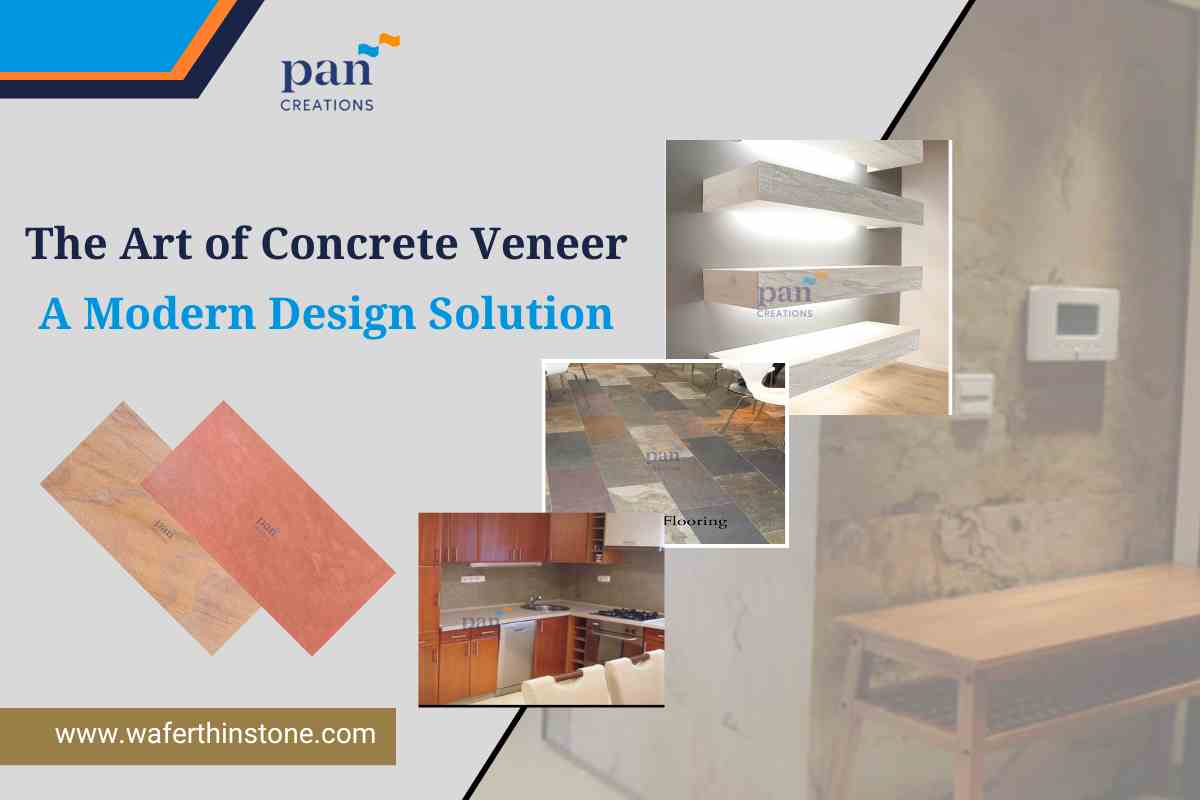
Design preferences evolve constantly, but the shift towards materials that reflect modern simplicity, longevity, and visual depth has been particularly strong in recent years. In this context, concrete veneer has become a popular material choice for homeowners, architects, and interior designers. It brings the raw beauty of concrete without the weight, cost, or installation limitations of traditional solid slabs. As contemporary spaces prioritize clean lines and refined textures, this innovative surface solution offers endless possibilities.
Understanding the Concept of Concrete Veneer
Concrete traditionally symbolizes strength, stability, and timeless design. However, using full concrete walls or surfaces is not always practical. This challenge led to the emergence of concrete veneer panels, designed to mimic real concrete while offering a lighter, more adaptable alternative. These panels preserve the distinct texture, grain, and aesthetic qualities of conventional concrete but remain easy to install across both small and large surface areas.
Unlike heavy concrete installations, these thin veneers provide the same visual presence without significant structural reinforcement. This makes them suitable for modern interiors that require a sleek but sophisticated finish. Whether the goal is to upgrade a feature wall or enhance the architectural character of commercial spaces, designers appreciate the versatility and functionality of these panels.
Why Concrete Veneer Appeals to Modern Designers
The appeal of concrete-inspired finishes lies in their ability to complement a wide range of themes. Minimalist homes prefer subtle, muted tones, while industrial-style interiors highlight exposed textures. The adaptability of durable concrete veneer makes it ideal for both settings. It offers the rawness associated with industrial design but with the refinement needed for contemporary aesthetics.
Many designers also appreciate how this material pairs easily with wood, glass, natural stone, and metal. It becomes a beautiful backdrop that enhances furniture, lighting, and artwork without overpowering them. With growing interest in sustainable and long-lasting materials, this veneer also supports responsible design choices, often requiring fewer raw resources compared to heavy solid concrete.
Advantages That Make Concrete Veneer a Smart Choice
One of the major strengths of concrete-style surfaces is their ability to bring depth and dimension to any environment. Homes, offices, boutiques, hotels, and restaurants increasingly adopt this option due to its practical and visual benefits. The following advantages explain why it has grown into a preferred modern design element:
Lightweight Structure
Its lightweight nature eases the installation process and allows it to be used on surfaces that might not support the load of real concrete.
Realistic Visual Appeal
Advances in manufacturing have made the texture, tones, and patterns highly realistic, enabling a premium look without the challenges associated with actual concrete.
Wide Application Flexibility
Whether for interior accent walls, exterior facades, ceilings, or furniture enhancements, designers rely on the flexibility of concrete veneer panels to achieve the desired effect.
Durability
High-quality options, such as those offered by brands like Pan Creations, are crafted to resist wear and retain their finish for years. This ensures long-term value and visual consistency.
Easy Maintenance
Unlike traditional concrete surfaces that may require sealing or periodic polishing, veneers are designed for simple upkeep, making them suitable for busy, modern lifestyles.
The Role of Design Brands in Improving Material Quality
Industry leaders continue to enhance the quality and creative potential of concrete-inspired finishes. Companies such as Pan Creations have contributed significantly by developing advanced textures, finishes, and installation-friendly designs that align with global aesthetic preferences.
These brands blend craftsmanship and technology to produce panels that remain visually authentic while being structurally adaptable. Their collections often feature natural shades, subtle gradients, and fine detailing that reflect contemporary craftsmanship standards. Designers value such innovations because they help transform ordinary walls into artistic, architectural features.
Applications That Elevate Modern Architecture
The introduction of flexible concrete-style materials has opened new possibilities in both residential and commercial spaces. They are frequently used in living rooms, hallways, lobbies, workspaces, and hospitality environments.
Interior Feature Walls
A textured concrete-inspired wall becomes a focal point in modern homes, adding character without overwhelming the décor.
Commercial and Hospitality Projects
Boutiques, hotels, and offices often use durable concrete veneer to create an impressive, professional atmosphere. It offers a high-end look while maintaining practicality.
Exterior Enhancements
Because many panels are weather-resistant, they can be used to elevate the exterior architecture of residential or commercial buildings. The effect is clean, modern, and uniform.
Furniture and Functional Elements
Designers sometimes use this material for counters, reception desks, headboards, and custom-designed furniture pieces to create a cohesive modern theme.
The Growing Demand for Concrete Veneer Panels
As more designers seek materials that combine beauty and efficiency, the market for concrete-inspired panels continues to expand. Homeowners appreciate how these panels help achieve a stylish result without major remodeling. Businesses value the professional look and durability they offer.
Manufacturers, including Pan Creations, have been instrumental in making this material more accessible by providing design options that suit multiple architectural styles. Their contribution has helped popularize this material in both national and international markets.
Conclusion
The evolution of modern design has encouraged the use of materials that blend aesthetics, versatility, and endurance. Concrete veneer has emerged as a standout option, offering the beauty of concrete without the weight or complexity of traditional installations. Whether used in homes or commercial spaces, it brings texture, personality, and contemporary charm to any environment. With the availability of advanced concrete veneer panels and innovations in durable concrete veneer, designers now have access to a solution that balances functionality with refined visual appeal. As architectural trends continue shifting toward clean, minimal, and expressive surfaces, this material is set to remain an essential element in modern interiors and exteriors.

![Epoxy Curing Agents Market Growth Analysis Report | Industry Status, Market Opportunities, Key Challenges, Competitive Strategies, Revenue Breakdown, and Forecast Outlook [2025–2034]](https://driftelano.com/wp-content/uploads/2025/12/Epoxy-Curing-Agents-Market.jpg)
![EMI Shielding Market Insights and Analysis [2025–2034] | Industry Performance, Growth Opportunities, Risk Factors, Strategic Developments, and Long-Term Market Projections](https://driftelano.com/wp-content/uploads/2025/12/EMI-Shielding-Market.jpg)

![Dimethyl Ether (DME) Market [Latest Reports] | Business Environment Analysis, Corporate Strategies, Competitive Benchmarking, Investment Trends, and Emerging Market Developments [2025–2034]](https://driftelano.com/wp-content/uploads/2025/12/Dimethyl-Ether-DME-Market.png)
Leave a Reply