
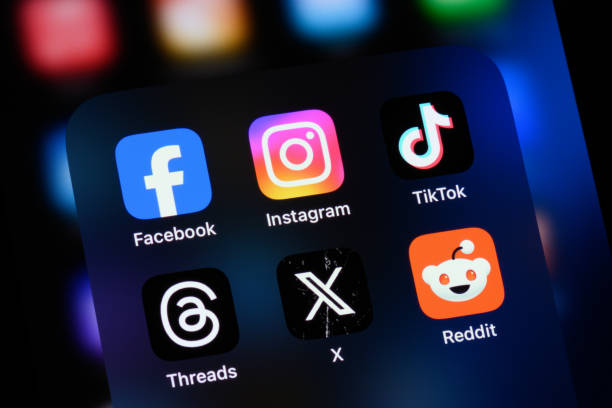
Introduction: The Shift From Desktop-Centered to Mobile-First Social Life
Social networking has always evolved alongside technology, but no shift has been as transformative as the move from desktop-based platforms to mobile-first social experiences. Traditional social apps were originally designed for longer sessions, static feeds, and scheduled interaction. Today, social life happens in real time, on the move, and within moments that are deeply integrated into everyday routines. Mobile social networking has emerged not merely as an extension of traditional platforms, but as a replacement, redefining how people connect, communicate, and participate in communities.
The Rise of Smartphones as Social Hubs
Smartphones have become the primary interface through which people experience the digital world. Constant connectivity, high-speed mobile internet, and advanced sensors have transformed phones into powerful social hubs. Unlike traditional social apps that were adapted from desktop environments, mobile-first platforms are designed around immediacy, location awareness, and personal context. This shift allows social interaction to occur organically, woven into daily life rather than confined to designated online sessions.
Redefining Social Interaction Through Real-Time Engagement
Mobile social networking emphasizes real-time engagement, reflecting how people naturally interact. Push notifications, live updates, and instant messaging enable conversations to unfold as events happen, not hours later. This immediacy creates a sense of presence and relevance that traditional social apps often lack. Users no longer feel the need to log in intentionally; instead, social interaction flows continuously throughout the day, making mobile platforms feel more alive and responsive.
Location Awareness and Contextual Connection
One of the defining advantages of mobile social networking is its ability to leverage location and context. Mobile platforms can connect users based on where they are, what they are doing, and what is happening around them. This contextual awareness transforms social networking from a passive experience into an active, situational one. Traditional social apps, built around static profiles and global feeds, struggle to replicate this level of relevance and immediacy.
From Static Feeds to Dynamic Experiences
Traditional social apps often revolve around static feeds that prioritize content consumption over interaction. Mobile social networking shifts the focus toward dynamic experiences such as stories, live interactions, and event-based engagement. These formats align with shorter attention spans and on-the-go usage, making social interaction feel more spontaneous and less curated. The result is a more authentic form of engagement that reflects real life rather than polished digital personas.
Events and Activities as the New Social Currency
Mobile social networking increasingly centers around events and activities rather than posts and profiles. Users are drawn to platforms that help them discover what is happening nearby and participate in shared experiences. This event-driven model encourages real-world interaction and strengthens social bonds. Traditional social apps, which often prioritize broadcasting personal updates, struggle to compete with platforms that facilitate tangible experiences and community participation.
Personalization Through Mobile-Driven Data
Mobile devices generate rich contextual data that enables deeper personalization. Usage patterns, location signals, and interaction history allow mobile social platforms to tailor experiences to individual users. This personalization reduces irrelevant content and highlights meaningful opportunities for connection. Traditional social apps, reliant on broader demographic data, often fail to achieve the same level of precision and relevance, leading to disengagement and social fatigue.
The Decline of Follower-Based Social Structures
Follower-based social models, once central to traditional social apps, are gradually losing relevance. Mobile social networking favors interest-based and proximity-based connections that feel more personal and actionable. Rather than accumulating followers, users focus on participating in conversations, communities, and experiences that align with their lives. This shift reflects a broader cultural move away from performance-driven social behavior toward genuine interaction.
Lower Barriers to Participation and Expression
Mobile social networking reduces barriers to participation by simplifying content creation and interaction. Voice notes, short videos, reactions, and quick messages make it easier for users to express themselves without investing significant time or effort. Traditional social apps often require more deliberate content creation, which can discourage spontaneous engagement. Mobile-first design supports lightweight interaction that fits naturally into everyday moments.
Building Communities in Motion
Communities formed through mobile social networking are dynamic and adaptive. They evolve around shared activities, locations, and interests, often changing as users move through different phases of life. This fluidity contrasts with the more static communities of traditional social apps, which are often built around long-term online presence. Mobile platforms support communities that exist both online and offline, strengthening bonds through shared experience rather than prolonged digital interaction.
Trust, Privacy, and the Mobile Social Experience
As mobile social networking becomes more integrated into daily life, trust and privacy take on greater importance. Users expect transparency and control over how their data is used, particularly when location and real-time interaction are involved. Modern mobile platforms are increasingly designed with granular privacy controls and contextual permissions. Traditional social apps, often built on older data models, face challenges adapting to these heightened expectations.
Adapting to Shorter Attention and Changing Habits
Mobile usage patterns have reshaped how people consume and engage with content. Social interactions now occur in brief, frequent moments rather than long sessions. Mobile social networking aligns with this behavior by offering quick, meaningful interactions that fit into busy schedules. Traditional social apps, designed for extended browsing, struggle to maintain relevance in an environment where attention is fragmented and time is limited.
Why Mobile Social Networking Is Becoming the Dominant Model
The dominance of mobile social networking is not accidental; it reflects a deeper alignment with how people live, move, and connect. By offering immediacy, contextual relevance, and real-world integration, mobile platforms address the limitations of traditional social apps. They support connection as an ongoing process rather than a destination, making social interaction feel natural and continuous.
Conclusion: The Future of Social Connection Is Mobile
Mobile social networking is redefining the social landscape by replacing traditional apps with experiences that are more responsive, personal, and grounded in real life. As technology continues to evolve, the platforms that succeed will be those that understand social connection as something that happens in motion, shaped by context and shared experience. The transition from traditional social apps to mobile-first social networking marks not just a technological shift, but a cultural one, signaling a future where connection is woven seamlessly into everyday life.

![Epoxy Curing Agents Market Growth Analysis Report | Industry Status, Market Opportunities, Key Challenges, Competitive Strategies, Revenue Breakdown, and Forecast Outlook [2025–2034]](https://driftelano.com/wp-content/uploads/2025/12/Epoxy-Curing-Agents-Market.jpg)
![EMI Shielding Market Insights and Analysis [2025–2034] | Industry Performance, Growth Opportunities, Risk Factors, Strategic Developments, and Long-Term Market Projections](https://driftelano.com/wp-content/uploads/2025/12/EMI-Shielding-Market.jpg)


![Dimethyl Ether (DME) Market [Latest Reports] | Business Environment Analysis, Corporate Strategies, Competitive Benchmarking, Investment Trends, and Emerging Market Developments [2025–2034]](https://driftelano.com/wp-content/uploads/2025/12/Dimethyl-Ether-DME-Market.png)
Leave a Reply