
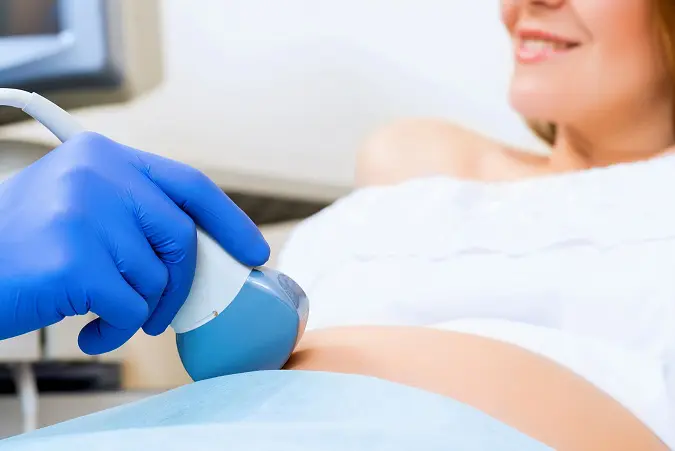
The first trimester of pregnancy is a time filled with excitement, hope, and many questions. It is also one of the most crucial phases for your baby’s development. During these early weeks, vital organs begin to form, and your body goes through significant physical and hormonal changes. Proper early pregnancy care lays the foundation for a healthy pregnancy and helps reduce risks for both mother and baby.
Understanding the key tests and screenings recommended during the first trimester can help expecting parents feel informed, confident, and prepared. This guide walks you through essential early pregnancy tests, why they matter, and how they support a safe and healthy start to pregnancy.
Why Early Pregnancy Care Is So Important
Early pregnancy care focuses on identifying potential risks as soon as possible. Many pregnancy-related complications can be managed effectively when detected early. First trimester tests help confirm the pregnancy, determine accurate dates, assess fetal development, and screen for chromosomal or genetic conditions.
Regular checkups during this period also allow healthcare providers to guide mothers on nutrition, supplements, lifestyle changes, and symptom management, ensuring both physical and emotional well-being.
Confirming Pregnancy and Initial Evaluation
Pregnancy Blood Tests
One of the first steps in early pregnancy care is confirming pregnancy through blood tests that measure hormone levels, particularly human chorionic gonadotropin (hCG). These tests help confirm that the pregnancy is progressing normally and can identify concerns such as ectopic pregnancy or early pregnancy loss.
Additional blood tests may check blood group, Rh factor, hemoglobin levels, thyroid function, and immunity to infections like rubella. These baseline investigations help doctors plan care tailored to your health needs.
Early Ultrasound: Dating and Viability Scan
An early ultrasound scan is usually performed between 6 and 9 weeks of pregnancy. This scan confirms:
- The presence of a gestational sac in the uterus
- The baby’s heartbeat
- The number of embryos
- Accurate gestational age
Establishing correct dates is essential because all future screenings and scans are scheduled based on gestational age. This scan also provides reassurance to expecting parents during the early, often anxious weeks of pregnancy.
First Trimester Screening Tests
Combined First Trimester Screening
Between 11 and 13 weeks, first trimester screening combines ultrasound findings with blood tests to assess the risk of chromosomal abnormalities such as Down syndrome, Trisomy 18, and Trisomy 13.
This screening does not diagnose conditions but provides a risk estimate that helps parents and doctors decide whether further diagnostic testing is required.
NT Scan: A Key First Trimester Assessment
One of the most important ultrasound examinations during early pregnancy is the nuchal translucency (NT) scan. This scan measures the fluid-filled space at the back of the baby’s neck. Increased thickness may be associated with chromosomal or structural conditions.
Parents looking for accurate NT Scan in Chandigarh often seek centers with specialized fetal medicine expertise and advanced ultrasound technology to ensure precise measurements and proper counseling.
In addition to measuring nuchal translucency, this scan also assesses early fetal anatomy, nasal bone presence, heart rate, and placental position, making it a vital part of first trimester care.
Importance of Early Genetic Screening
Early pregnancy tests help identify the risk of inherited or chromosomal conditions at a stage when parents have the widest range of options. Blood tests combined with ultrasound findings provide valuable insights without posing risks to the baby.
If screening results indicate higher risk, doctors may recommend additional tests such as non-invasive prenatal testing (NIPT) or diagnostic procedures like chorionic villus sampling (CVS), depending on individual circumstances.
Screening for Infections and Maternal Health Conditions
During the first trimester, routine blood and urine tests screen for infections such as hepatitis B, HIV, syphilis, and urinary tract infections. Identifying and treating infections early reduces the risk of complications later in pregnancy.
Doctors also assess maternal conditions like diabetes, thyroid disorders, and anemia. Proper management of these conditions during early pregnancy significantly improves outcomes for both mother and baby.
Nutritional and Lifestyle Guidance in Early Pregnancy
Early pregnancy care is not limited to tests and scans. Healthcare providers also guide mothers on:
- Folic acid and prenatal supplements
- Balanced nutrition for fetal development
- Safe physical activity
- Managing nausea, fatigue, and mood changes
- Avoiding harmful substances
These recommendations support healthy fetal growth and help mothers cope with early pregnancy symptoms more comfortably.
Emotional Well-Being During the First Trimester
The first trimester can be emotionally challenging due to hormonal changes, physical discomfort, and uncertainty. Regular prenatal visits provide reassurance and an opportunity to discuss concerns openly.
Understanding test results and knowing what to expect in the coming weeks helps reduce anxiety and fosters confidence throughout the pregnancy journey.
Looking Ahead: The Role of Later Scans
While early pregnancy tests focus on risk assessment and confirmation, later scans evaluate detailed fetal development. The second trimester includes a comprehensive anatomy evaluation, often referred to as the anomaly scan.
Parents planning their pregnancy care may also explore options for an Anomaly Scan in Chandigarh, which is typically performed between 18 and 22 weeks to assess the baby’s organs, growth, and overall development in detail.
Although this scan occurs later, early pregnancy care ensures accurate dating and risk assessment that supports timely and effective second trimester screening.
Choosing the Right Prenatal Care Provider
Accurate early pregnancy testing depends on experienced healthcare professionals and reliable diagnostic equipment. When choosing a prenatal care provider, consider:
- Expertise in fetal medicine
- Access to advanced ultrasound technology
- Clear communication and counseling
- Comprehensive follow-up support
The right care team plays a crucial role in guiding parents through every stage of pregnancy with clarity and compassion.
Final Thoughts
Early pregnancy care is the cornerstone of a healthy pregnancy. The first trimester offers a vital window to confirm pregnancy, assess risks, and establish a strong foundation for fetal development. Through timely tests, scans, and medical guidance, expecting parents gain valuable insights that help them make informed decisions.
By attending scheduled appointments, understanding recommended tests, and maintaining open communication with healthcare providers, parents can navigate the first trimester with confidence and peace of mind. A well-monitored start increases the likelihood of a smooth pregnancy journey and a healthy outcome for both mother and baby.

![Epoxy Curing Agents Market Growth Analysis Report | Industry Status, Market Opportunities, Key Challenges, Competitive Strategies, Revenue Breakdown, and Forecast Outlook [2025–2034]](https://driftelano.com/wp-content/uploads/2025/12/Epoxy-Curing-Agents-Market.jpg)
![EMI Shielding Market Insights and Analysis [2025–2034] | Industry Performance, Growth Opportunities, Risk Factors, Strategic Developments, and Long-Term Market Projections](https://driftelano.com/wp-content/uploads/2025/12/EMI-Shielding-Market.jpg)


![Dimethyl Ether (DME) Market [Latest Reports] | Business Environment Analysis, Corporate Strategies, Competitive Benchmarking, Investment Trends, and Emerging Market Developments [2025–2034]](https://driftelano.com/wp-content/uploads/2025/12/Dimethyl-Ether-DME-Market.png)
Leave a Reply