

Ventilation plays a crucial role in maintaining a clean, comfortable and long-lasting kitchen, yet it is often overlooked until problems start to appear. Daily cooking generates heat, moisture and airborne grease that must be managed effectively to prevent damage and discomfort. When ventilation is poor, these elements circulate through the space, settling on surfaces, impacting air quality and affecting the structure around them. This article explains the signs of bad ventilation, the harm it causes over time and the practical ways to restore proper airflow so your kitchen remains a healthy and efficient part of the home.
Why Proper Ventilation Matters in Every Kitchen
- Manages heat and moisture: Cooking generates steam and heat; without ventilation, humidity rises, creating discomfort and moisture-related problems.
- Reduces grease and smoke: Airborne grease settles on surfaces, forming sticky residue on tiles, units and worktops.
- Prevents long-term damage: Persistent moisture and grease can deteriorate cabinets, ceilings and walls, making the kitchen harder to maintain.
Signs Your Kitchen Has Poor Ventilation
- Lingering smells: Odours that remain long after cooking indicate stale air and ineffective extraction.
- Condensation on surfaces: Steam that settles on windows, tiles and units signals poor removal of moisture, increasing the risk of mould and damp.
- Grease build-up: A film of grease on cabinets and worktops shows that airborne particles are settling instead of being extracted.
- Increased dust or smoke: Irritants remaining in the air suggest weak airflow and insufficient filtration.
- Excessive heat: A kitchen that feels significantly hotter than nearby rooms indicates restricted air movement and trapped heat.
Hidden Damage Caused by Bad Ventilation
Structural Deterioration from Moisture
Moisture eventually finds its way into cabinetry, plaster and paint. Walls may bubble, timber can warp, and mould patches may form beneath surfaces.
Wear and Tear on Cabinets and Joinery
Constant humidity and grease affect wooden cabinetry, shelving and customised fittings. In homes with bespoke installations supported by joinery Cardiff, poor ventilation can shorten the lifespan of high-quality craftsmanship.

Reduced Appliance Efficiency
Hobs, ovens and extractors struggle when surrounded by trapped heat or grease build-up. This reduces performance, increases energy usage and shortens their lifespan.
Poor Indoor Air Quality
Unventilated kitchens allow allergens, cooking fumes and moisture to accumulate, making the environment uncomfortable or irritating for some occupants.
How Bad Ventilation Impacts Your Kitchen Experience
- Discomfort While Cooking: Heat and steam linger, making the kitchen feel stuffy and uncomfortable.
- Harder Cleaning: Grease and moisture settle on surfaces, increasing daily wiping and scrubbing.
- Reduced Lighting Quality: Grease on bulbs and fittings dims the room and makes the lighting uneven.
- Odours Spreading: Cooking smells drift into other rooms and linger in fabrics and furnishings.
Effective Ways to Fix Poor Kitchen Ventilation
Upgrading or Replacing Your Cooker Hood
Extractor hoods vary widely in performance. A hood with sufficient extraction rate and good ducting removes grease and steam effectively. Upgrading filters or switching to a ducted system may significantly improve airflow.
Installing New Ventilation Routes
Additional vents, external ducting or ceiling-mounted extraction systems may be needed if the current layout limits airflow. Correct placement ensures effective removal of pollutants and helps maintain consistent air quality throughout the entire kitchen space.
Improving Natural Airflow
Simple design decisions such as larger windows, openable vents or using more than one air entry point improve circulation, especially in smaller kitchens. Even minor adjustments can significantly reduce humidity and allow fresh air to move more freely.
Reworking Layout to Improve Air Circulation
Ventilation is heavily influenced by where appliances sit. Sometimes adjusting the layout is necessary, especially when hobs are too close to walls or obstructed areas. This is often supported by kitchen installers, who ensure appliances are positioned to allow efficient airflow.
Enhancing Joinery and Storage Design
Cabinetry that crowds around extraction points restricts ventilation. Improving spacing or altering existing joinery particularly through services like joinery creates unobstructed airflow paths and prevents heat trapping.
Design Choices That Support Better Ventilation
Choosing Materials That Resist Moisture and Heat
Selecting finishes that withstand humidity, such as heat-resistant worktops, washable paints and robust cabinet materials, helps reduce long-term wear.
Open Shelving vs Closed Units
Open shelving encourages airflow and reduces the number of enclosed areas prone to condensation. Closed units, however, can be designed to avoid blocking ventilation routes.
Lighting That Works With Ventilation Systems
Lighting placement matters. LEDs, for example, generate less heat than traditional bulbs, reducing the overall temperature of the room.
Planning With Professionals
Effective kitchens combine design, ventilation and installation. Collaboration between designers, ventilation specialists and kitchen installers Cardiff ensures everything works together cohesively.
Simple, Budget-Friendly Improvements
- Clean filters and vents regularly: Clear extractor filters and ducting to prevent blockages and maintain airflow.
- Adjust cooking habits: Use pan lids, lower the heat and ventilate during prep to reduce steam and grease.
- Add small extractors or vent openers: Window fans or passive vents offer low-cost airflow support.
- Rearrange furniture for better airflow: Move tall or bulky units that block ventilation to improve circulation.
Preventing Poor Ventilation Problems in the Future
Routine Maintenance Checks
Checking ducts, seals, fans, and extractor components ensures long-term performance. Regular inspections help identify early issues before they affect comfort or create damage.
Using Moisture-Resistant and Vent-Friendly Joinery
Cabinetry that allows better airflow, as seen in work by joinery, helps kitchens stay dry and functional. Well-designed units also reduce the risk of trapped heat and condensation.
Ensuring Layout Supports Air Movement
Appliances should have adequate surrounding space to avoid trapping heat or steam. Good spacing allows ventilation systems to work more efficiently across the room.
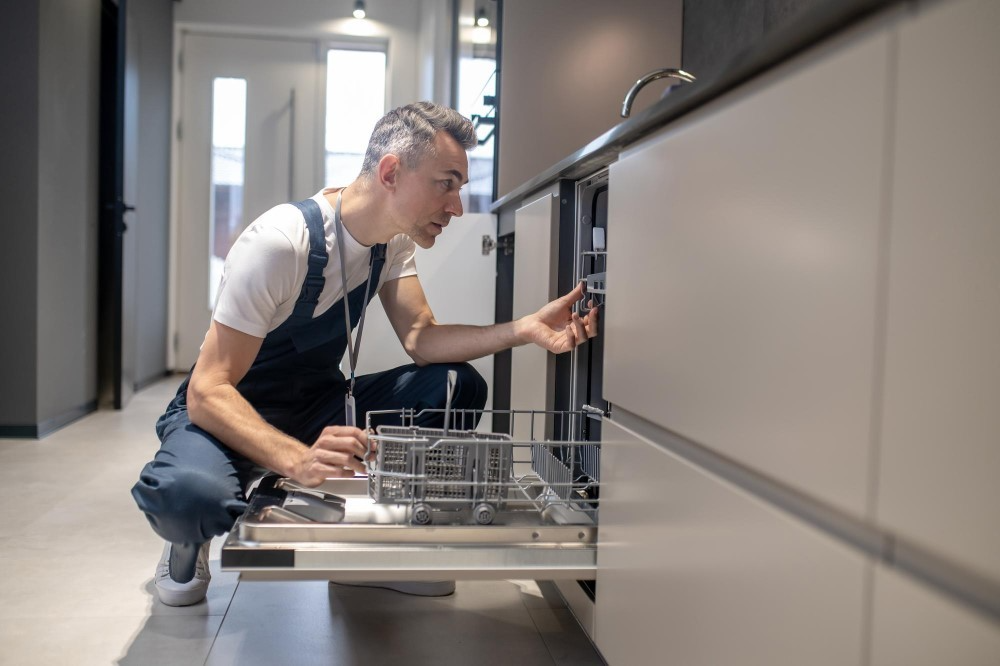
Planning Ventilation Early in a Kitchen Upgrade
Early ventilation planning, especially with guidance from kitchen installers, prevents costly changes later. Integrating airflow solutions from the start ensures your kitchen performs well long term.
Conclusion
A well-ventilated kitchen protects your home from moisture damage, improves air quality and makes everyday cooking far more comfortable. Poor ventilation, when ignored, leads to structural deterioration, efficiency issues and ongoing cleaning challenges. By identifying problems early and implementing effective solutions from layout changes to improved extraction you can protect both your kitchen and your long-term investment. For homeowners seeking reliable support in creating a healthier, better-ventilated kitchen space, AO Builders Cardiff is ready to assist.

![Epoxy Curing Agents Market Growth Analysis Report | Industry Status, Market Opportunities, Key Challenges, Competitive Strategies, Revenue Breakdown, and Forecast Outlook [2025–2034]](https://driftelano.com/wp-content/uploads/2025/12/Epoxy-Curing-Agents-Market.jpg)
![EMI Shielding Market Insights and Analysis [2025–2034] | Industry Performance, Growth Opportunities, Risk Factors, Strategic Developments, and Long-Term Market Projections](https://driftelano.com/wp-content/uploads/2025/12/EMI-Shielding-Market.jpg)


![Dimethyl Ether (DME) Market [Latest Reports] | Business Environment Analysis, Corporate Strategies, Competitive Benchmarking, Investment Trends, and Emerging Market Developments [2025–2034]](https://driftelano.com/wp-content/uploads/2025/12/Dimethyl-Ether-DME-Market.png)
Leave a Reply