
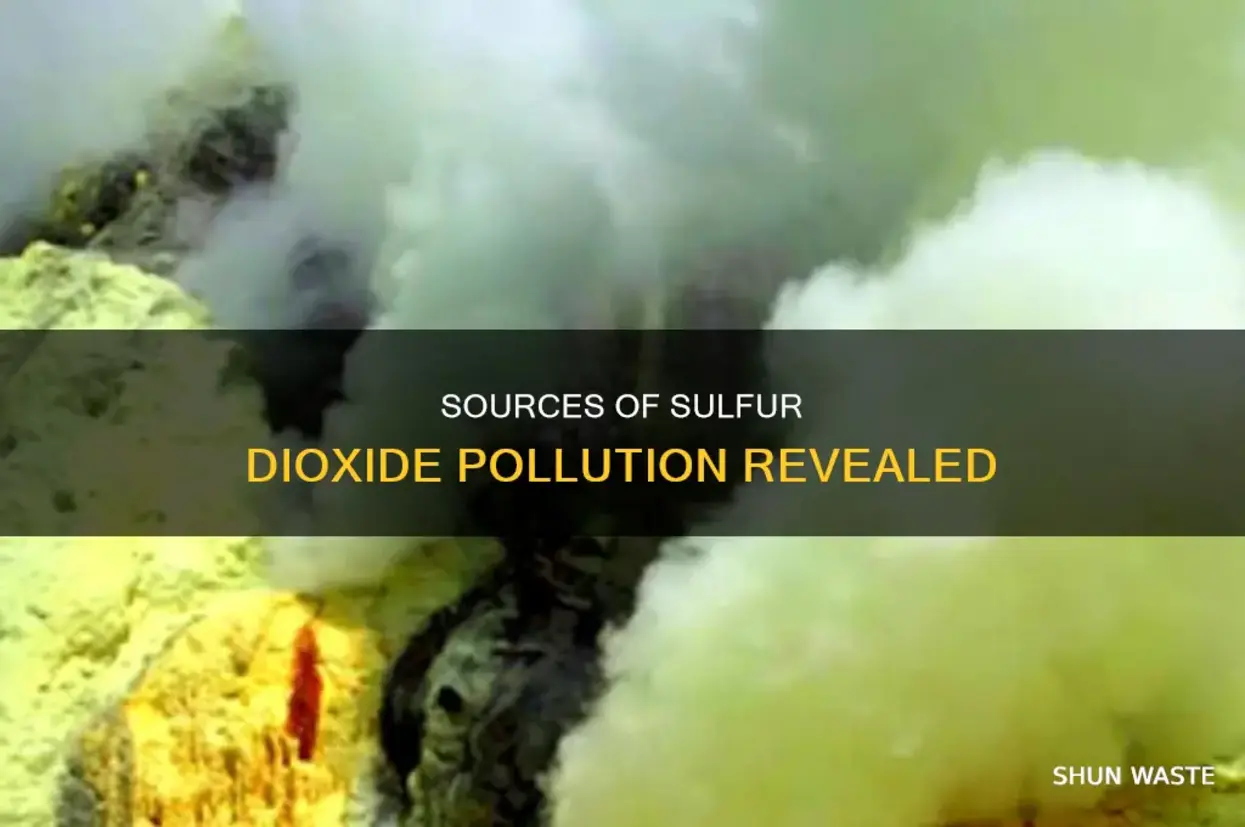
Sulfur Dioxide pollution remains a persistent challenge for industries operating in energy, manufacturing, and resource extraction. As regulatory frameworks tighten worldwide and environmental performance becomes a core business metric, understanding Sulfur Dioxide emissions is no longer optional. It’s essential for compliance, operational efficiency, and long-term sustainability.
This article explains where Sulfur Dioxide comes from, how it behaves once released, and how modern industrial solutions help manage and reduce its impact.
What Is Sulfur Dioxide?
Sulfur Dioxide (SO₂) is a colorless gas with a sharp, irritating odor. It forms when sulfur-containing fuels or raw materials are burned or processed at high temperatures. Once in the atmosphere, Sulfur Dioxide contributes to acid rain, fine particulate matter, and respiratory health problems.
Globally, Sulfur Dioxide is one of the most closely monitored air pollutants due to its direct and indirect environmental effects. Industrial facilities are the primary source, making emission control a critical responsibility across sectors.
Key Industrial Sources of Sulfur Dioxide
Sulfur Dioxide emissions vary by industry, but several sources dominate worldwide.
Power Generation
Coal- and oil-fired power plants are among the largest contributors to Sulfur Dioxide pollution. Fuels with high sulfur content release SO₂ during combustion unless treated through desulfurization systems. Despite growth in renewables, fossil-based power generation remains a major global emission source.
Metal Smelting and Refining
Non-ferrous metal smelting, particularly copper, zinc, and nickel, produces large volumes of Sulfur Dioxide. Sulfur is often present in metal ores, and high-temperature processing releases SO₂ as a byproduct. Without proper capture systems, emissions can be significant.
Petroleum Refining
Refineries emit Sulfur Dioxide during fuel processing, hydrogen sulfide conversion, and flaring operations. Even with sulfur recovery units in place, incomplete combustion or process upsets can lead to elevated emissions.
Cement and Mineral Processing
Cement kilns and mineral processing facilities emit Sulfur Dioxide from both fuel combustion and sulfur present in raw materials. Emission levels vary depending on feedstock composition and kiln operating conditions.
Emission Characteristics and Behavior
Understanding Sulfur Dioxide emission characteristics helps explain why it requires specialized control strategies.
Concentration and Variability
Sulfur Dioxide emissions are often intermittent rather than constant. Startups, shutdowns, and load changes can cause spikes in SO₂ levels. This variability makes continuous monitoring essential for compliance and process optimization.
Atmospheric Transformation
Once released, Sulfur Dioxide can oxidize into sulfate aerosols. These fine particles contribute to haze, reduced visibility, and long-range transport of pollution across national borders. This is why Sulfur Dioxide regulations are often part of regional or international air quality agreements.
Health and Environmental Impact
Short-term exposure can irritate the respiratory system, while long-term exposure worsens asthma and cardiovascular conditions. Environmentally, Sulfur Dioxide is a leading cause of acid rain, which damages crops, forests, and aquatic ecosystems.
Regulatory Pressure and Global Standards
Governments worldwide regulate Sulfur Dioxide through emission limits, ambient air quality standards, and reporting requirements. Regions such as the European Union, North America, and parts of Asia enforce strict SO₂ thresholds, often requiring real-time data and documented control measures.
For multinational operators, meeting the highest standard across all facilities is increasingly the norm. This drives demand for reliable, scalable emission control technologies.
Industrial Solutions for Sulfur Dioxide Control
Modern industries rely on a combination of process design, treatment systems, and monitoring products to manage Sulfur Dioxide emissions effectively.
Flue Gas Desulfurization Systems
Flue Gas Desulfurization (FGD) units are the most widely used solution in power generation and heavy industry. Wet scrubbers, dry scrubbers, and semi-dry systems remove Sulfur Dioxide before exhaust gases are released. These systems can achieve removal efficiencies above 90 percent when properly designed and maintained.
Sulfur Recovery and Conversion Technologies
In refineries and smelting operations, sulfur recovery units convert sulfur compounds into elemental sulfur or sulfuric acid. These products can be sold or reused, turning a pollutant into a revenue-generating material.
Continuous Emission Monitoring Systems
Accurate measurement is essential for control. Continuous Emission Monitoring Systems (CEMS) track Sulfur Dioxide levels in real time, enabling operators to detect issues early and demonstrate regulatory compliance. Modern analyzers offer high precision, remote access, and integration with plant control systems.
Integrated Environmental Solutions
Leading industrial suppliers now offer integrated solutions that combine emission control equipment, monitoring instruments, data management platforms, and technical support. This approach reduces operational risk and simplifies compliance across multiple sites.
Practical Steps for Industry Leaders
Reducing Sulfur Dioxide pollution starts with a clear strategy. Facilities should assess fuel quality, raw material composition, and process conditions to identify emission drivers. Investing in proven control products and reliable monitoring systems delivers measurable environmental and financial returns.
Regular maintenance, operator training, and performance audits ensure that Sulfur Dioxide controls operate as designed. In many cases, upgrades pay for themselves through improved efficiency, reduced penalties, and enhanced corporate reputation.
Conclusion
Sulfur Dioxide pollution is a complex but manageable challenge. By understanding its industrial origins and emission characteristics, organizations can make informed decisions that protect the environment while supporting operational goals.
With the right combination of advanced products, monitoring technologies, and industry expertise, controlling Sulfur Dioxide emissions becomes not just a regulatory obligation, but a strategic advantage in a more sustainability-driven global market.
Article post by: https://belirangkalisari.id

![Epoxy Curing Agents Market Growth Analysis Report | Industry Status, Market Opportunities, Key Challenges, Competitive Strategies, Revenue Breakdown, and Forecast Outlook [2025–2034]](https://driftelano.com/wp-content/uploads/2025/12/Epoxy-Curing-Agents-Market.jpg)
![EMI Shielding Market Insights and Analysis [2025–2034] | Industry Performance, Growth Opportunities, Risk Factors, Strategic Developments, and Long-Term Market Projections](https://driftelano.com/wp-content/uploads/2025/12/EMI-Shielding-Market.jpg)

![Dimethyl Ether (DME) Market [Latest Reports] | Business Environment Analysis, Corporate Strategies, Competitive Benchmarking, Investment Trends, and Emerging Market Developments [2025–2034]](https://driftelano.com/wp-content/uploads/2025/12/Dimethyl-Ether-DME-Market.png)
Leave a Reply