
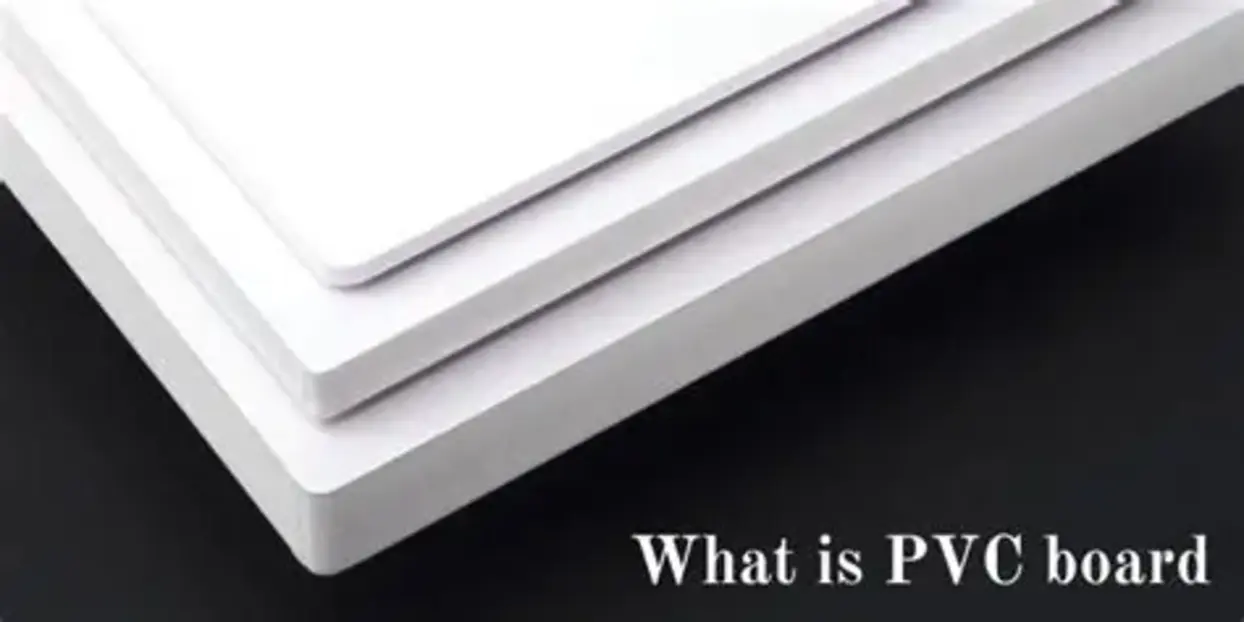
PVC boards have become a go-to material across industries thanks to their durability, flexibility, and clean finish. They’re light, easy to cut, and available in a wide range of densities and thicknesses. Because of this, the applications of PVC boards now stretch from large-scale commercial signage to modern interior furniture and even industrial uses.
Below is an overview of where PVC boards excel, why professionals rely on them, and what to consider when selecting the right type for your project.
Why PVC Boards Have Become an Industry Standard
PVC boards offer several advantages over wood, metal, and composite alternatives:
- Consistent quality. They’re manufactured to tight tolerances, so density and thickness are uniform.
- Moisture and corrosion resistance. PVC does not warp or rot, making it reliable in humid or outdoor environments.
- Ease of fabrication. Cutting, routing, sanding, and thermoforming are all simple processes.
- Lightweight structure. Ideal for applications where weight matters, such as signage and tradeshow displays.
- Smooth finish. The surface accepts paint, film, and digital printing exceptionally well.
Because of these traits, you’ll now find PVC boards in places where traditional materials once dominated.
Commercial Signage and Displays
The signage industry has long relied on PVC boards for both indoor and outdoor installations. Their strength and light weight make them practical for large format signs, while their smooth surface holds color accurately.
Typical applications include:
- Retail signage. Hanging signs, menu boards, aisle markers, and wayfinding systems.
- Exhibition panels. PVC’s stability makes it ideal for booth walls, promotional stands, and product displays.
- Backlit signs. PVC board diffuses light evenly, helping create clean visuals.
- Outdoor signboards. Weather resistance keeps graphics intact despite sun and moisture.
If your business produces or installs signage, PVC boards give you predictable performance and a material that scales well for long production runs.
Interior Design and Wall Cladding
PVC boards are increasingly used in interiors because they combine practical benefits with a clean, modern look. They can mimic wood, stone, or solid matte finishes while staying far lighter and easier to maintain.
Key uses include:
- Wall and ceiling panels. Moisture resistance is especially helpful for kitchens, bathrooms, and basements.
- Partition walls. PVC is rigid yet light, making it simple to install and modify.
- Feature walls. Boards can be routed to create patterns or coated to fit brand or design requirements.
- Decorative trims. A consistent finish helps designers achieve seamless transitions.
Interior designers appreciate how easy it is to cut and shape PVC on-site, which saves time and minimizes disruption.
Furniture Manufacturing
Furniture makers now use PVC boards to create pieces that are strong, sleek, and resistant to daily wear. Because the material is uniform inside and out, it avoids the knots, moisture pockets, and inconsistencies often found in natural wood.
Common furniture applications:
- Cabinets and wardrobe systems. PVC holds screws well and won’t swell when exposed to moisture.
- Shelving units. Lightweight construction makes shelves easier to transport and install.
- Office and retail furniture. PVC maintains its shape even under regular use.
- Kitchen furniture. A smooth, non-porous surface is simple to wipe clean.
PVC’s versatility also makes it a good choice for custom furniture where designers want a specific look or shape.
Industrial and Construction Uses
Beyond consumer-facing applications, PVC boards play a role in several industrial fields. The material’s durability and resistance to chemicals give it an advantage in demanding environments.
Examples include:
- Protective panels and machine guards. PVC offers strong impact resistance.
- Formwork for construction. It can be reused multiple times and remains stable under moisture.
- Storage systems. Chemical resistance makes PVC suitable for laboratory or factory shelving.
- Temporary structures. Its lightweight nature eases transport and installation on work sites.
For companies that need reliable materials at scale, PVC boards provide a solid combination of performance and cost efficiency.
Exterior Applications and Outdoor Projects
PVC boards perform well outdoors because they don’t absorb water and resist UV degradation when treated or coated appropriately.
Typical outdoor uses:
- Garden fencing and partitions
- Architectural trim and decorative moldings
- Outdoor furniture
- Exterior display boards
While long-term sun exposure can cause discoloration, using UV-stabilized PVC or adding a protective coating keeps the material in good shape.
Selecting the Right PVC Board
Not all PVC boards are the same. To get the best results, consider the following factors:
- Density. Higher-density boards offer better structural strength but weigh more.
- Thickness. Match thickness to the load or visual requirement of your project.
- Surface finish. Glossy, matte, textured, or film-laminated options affect the final look.
- Indoor vs. outdoor grade. Make sure the board meets the environmental conditions.
- Fire rating. Certain industries require boards with specific fire-retardant properties.
Working with a supplier that offers consistent quality and a wide product range will help you match the right board to each application.
Final Thoughts
The applications of PVC boards continue to expand as industries look for materials that balance strength, flexibility, and cost. Whether you’re producing commercial signage, building furniture, or designing interiors, PVC boards offer a reliable solution with a clean professional finish.
For global manufacturers, contractors, and designers, PVC remains one of the most adaptable materials available today — and its role is only growing as fabrication technologies improve.

![Epoxy Curing Agents Market Growth Analysis Report | Industry Status, Market Opportunities, Key Challenges, Competitive Strategies, Revenue Breakdown, and Forecast Outlook [2025–2034]](https://driftelano.com/wp-content/uploads/2025/12/Epoxy-Curing-Agents-Market.jpg)
![EMI Shielding Market Insights and Analysis [2025–2034] | Industry Performance, Growth Opportunities, Risk Factors, Strategic Developments, and Long-Term Market Projections](https://driftelano.com/wp-content/uploads/2025/12/EMI-Shielding-Market.jpg)

![Dimethyl Ether (DME) Market [Latest Reports] | Business Environment Analysis, Corporate Strategies, Competitive Benchmarking, Investment Trends, and Emerging Market Developments [2025–2034]](https://driftelano.com/wp-content/uploads/2025/12/Dimethyl-Ether-DME-Market.png)
Leave a Reply