
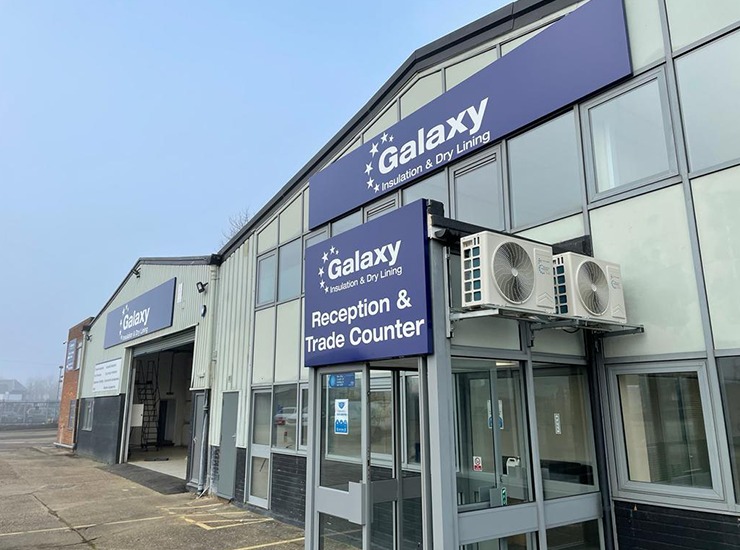
First impressions matter more than most people realise, particularly in the hospitality world. Guests arriving at a hotel or resort often judge the experience before they’ve even stepped through the doors. Exterior signage plays a quiet yet powerful part in shaping those early expectations. From the moment visitors pull into the driveway, clear and well-designed signage sets the tone for the service and style that awaits them inside. When done well, it creates confidence, ease, and a welcoming sense of arrival that stays with guests long after check-in.
The Importance of Entrance Signage in Hospitality
Exterior signage is one of the first touchpoints a guest encounters, and it does far more than simply display a name. It acts as an introduction to the hotel’s personality. Whether a property leans towards modern luxury, relaxed coastal charm, or classic sophistication, guests quickly pick up on those cues.
In the UK hospitality sector, where competition is strong and guest expectations continue to rise, high-quality entrance signage plays a vital role. Studies from British accommodation associations have shown that clear signage supports easier guest navigation and improves confidence upon arrival. With many visitors booking online and forming expectations from photographs alone, the entrance must mirror the style and standard represented on digital platforms.
What Defines Effective Hotel Entrance Signage
Creating signage that genuinely makes an impact involves far more than placing a name above a door. It requires a mix of clarity, style, and thoughtful placement. A well-crafted sign should feel immediately aligned with the property’s tone and service level. Colour choices should complement the architecture, materials should convey quality, and lighting should ensure visibility in all conditions.
An increasing number of hotels are pairing their identity with personalised signs outdoors, helping them set a distinct tone that feels unique to their location and audience. When these signs align with the broader brand style, guests sense a consistent narrative the moment they arrive.
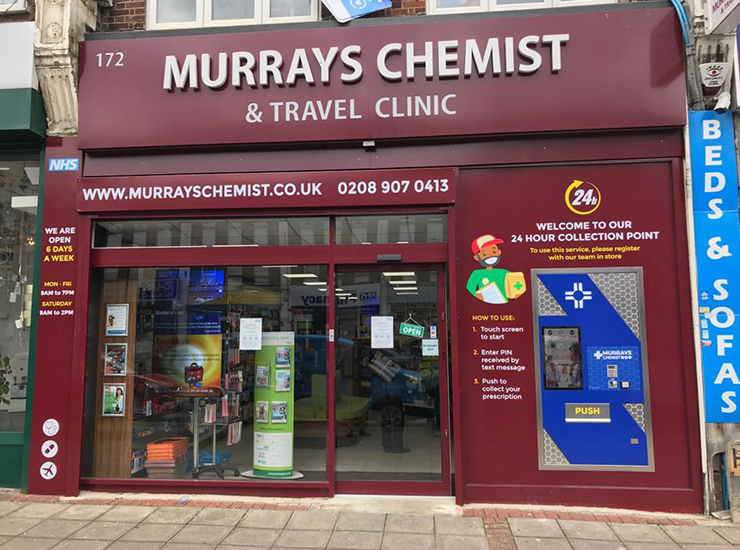
Signage Styles That Elevate Hotel and Resort Entrances
Fascia and Main Identity Signs
These are the most prominent visual elements and often carry the property’s name or logo. Sleek metals, polished acrylics, and stone textures create a premium feel suitable for boutique and luxury hotels.
Freestanding Monoliths and Totems
Ideal for large driveways or resort-style setups, these signs offer strong visibility from the road and help guests identify entrances from a distance.
Architectural Lettering
Individual letters work well for hotels with clean, modern frontages. They lend a contemporary feel and can be positioned creatively around glass, brick, or timber structures.
Illuminated and Backlit Displays
Illumination increases evening visibility and adds atmosphere. Warm backlighting or soft LEDs can elevate the façade dramatically, particularly during darker months.
Hotels often pair these features with practical directional elements, sometimes integrating aesthetic choices inspired by for sale boards for estate agents, particularly the clean layouts and clear messaging associated with them.
Creating a Seamless Guest Arrival Experience
The moment a guest turns into the entranceway, signage should guide them effortlessly. Many guests arrive after long journeys or unfamiliar routes, so clarity can make all the difference. Driveway markers, parking direction signs, and entry indicators reduce uncertainty, helping guests feel more comfortable.
Resorts benefit even more from structured signage. When facilities like spas, golf courses, restaurants, and villas are spread across larger grounds, a thoughtful wayfinding system prevents confusion. Using design approaches similar to for sale boards for estate agents, clear spacing, simple typography, and strong visibility, helps create route markers that are easy to follow.
Choosing Materials That Suit British Weather
The UK climate presents unique challenges for exterior signage. Heavy rainfall, strong winds, coastal salt exposure, and fluctuating temperatures all affect longevity. Hotels therefore need durable options such as powder-coated metals, stainless steel, acrylic, aluminium composite, and weather-resistant finishes.
Materials used for personalised signs outdoors often withstand harsher environments, making them suitable for hotels seeking long-lasting solutions that maintain their visual appeal throughout changing seasons.
The Power of Illumination
Lighting brings signage to life, especially in the hospitality sector. A well-lit entrance offers safety, visibility, and a sense of warmth. In winter when daylight hours are significantly shorter, illuminated signage becomes essential.
Hotels often use:
- Backlit lettering for a soft, elegant glow
- LED trough lights positioned subtly above fascia signs
- Ground lights for monoliths or freestanding signs
These choices help guests locate the entrance with ease and contribute to a welcoming night-time atmosphere.
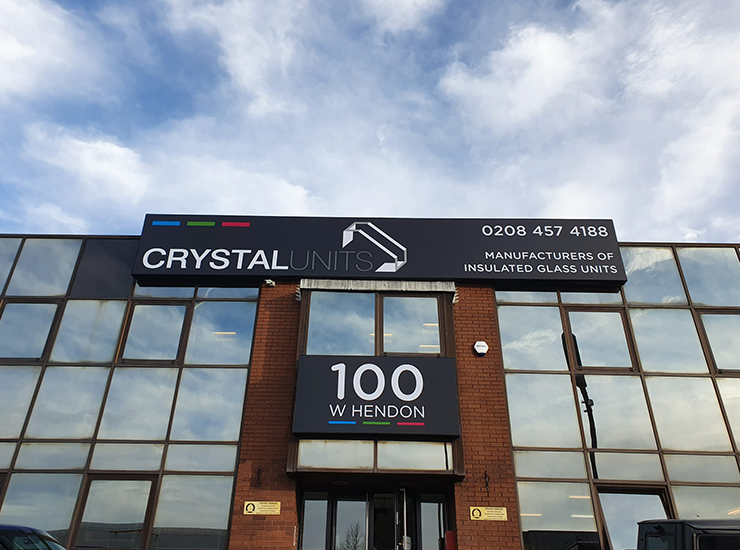
How Signage Strengthens Brand Identity
Entrance signage must feel like a natural extension of the brand. Colours, typography, textures, and layout decisions all help strengthen recognition. When guests find consistency between signage, digital visuals, brochures, and interior décor, they develop a stronger connection to the brand.
Many hotels incorporate elements inspired by personalised signs outdoor, adapting them to match their narrative. This unified approach helps create a memorable brand impression that guests associate with quality and reliability.
Common Mistakes Hotels Should Avoid
Even great hotels sometimes fall into avoidable signage pitfalls. Outdated designs, faded colours, mismatched branding, or poorly positioned displays can undermine guest confidence. Cluttered visuals or signs that are too small for the entrance space also reduce impact. Another frequent issue is lighting that fails to highlight key features, leaving signage difficult to read after dark.
Many of these challenges arise when signage isn’t updated regularly or lacks a professional design process. In contrast, simple improvements, like adopting clean layouts similar to the clarity of for sale boards for estate agents often make a noticeable difference.
Why Professional Signage Support Matters
Creating exterior signage for hotels involves far more than style. It requires an understanding of hospitality environments, safety considerations, and installation logistics. Professionals offer guidance on planning permissions, material suitability, illumination requirements, and positioning.
Hotels working with experts benefit from:
- Stronger structural reliability
- Accurate branding and colour consistency
- Longer-lasting materials
- Smarter placement for visibility
Professional support also helps avoid costly mistakes and ensures every sign contributes meaningfully to the guest experience.
Simple Examples Based on Common Situations
A contemporary city hotel recently introduced brushed aluminium lettering paired with subtle backlighting, instantly elevating its façade. A countryside resort improved arrival flow by adding warm-toned monolith signs along its winding driveway. Meanwhile, a coastal property used corrosion-resistant illuminated signage to withstand salt air, keeping their brand looking sharp throughout the year.
Each of these examples demonstrates how thoughtful changes, often inspired by the versatility of personalised signs outdoors, can transform an entrance without major renovation work.
Conclusion
Exterior signage shapes the tone of a guest’s arrival long before they step through the door. When hotels combine thoughtful design, suitable materials, and clear messaging, the result is a welcoming entrance that aligns beautifully with the wider brand. Strong signage supports navigation, sets expectations, and creates a sense of confidence guests truly appreciate. With careful planning and professional input from Sign Company London, hotels can create entrances that feel warm, polished, and memorable, offering visitors a smooth and reassuring start to their stay.

![Epoxy Curing Agents Market Growth Analysis Report | Industry Status, Market Opportunities, Key Challenges, Competitive Strategies, Revenue Breakdown, and Forecast Outlook [2025–2034]](https://driftelano.com/wp-content/uploads/2025/12/Epoxy-Curing-Agents-Market.jpg)
![EMI Shielding Market Insights and Analysis [2025–2034] | Industry Performance, Growth Opportunities, Risk Factors, Strategic Developments, and Long-Term Market Projections](https://driftelano.com/wp-content/uploads/2025/12/EMI-Shielding-Market.jpg)

![Dimethyl Ether (DME) Market [Latest Reports] | Business Environment Analysis, Corporate Strategies, Competitive Benchmarking, Investment Trends, and Emerging Market Developments [2025–2034]](https://driftelano.com/wp-content/uploads/2025/12/Dimethyl-Ether-DME-Market.png)
Leave a Reply