
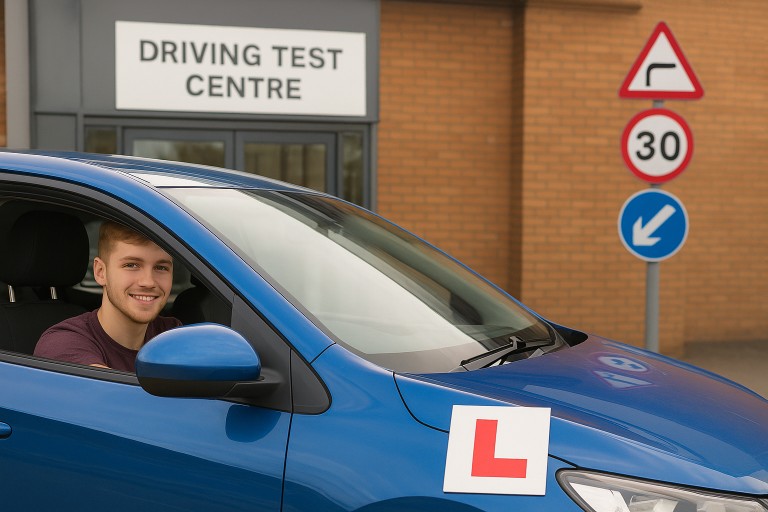
Imagine sitting in your car, hands gripping the wheel, feeling the nerves surge before your driving test. You’ve revised the Highway Code, but road rules keep jumbling in your mind, and practice seems never enough. For many UK learners, preparing for the DVSA test can feel overwhelming, with anxiety often standing in the way of success. Fortunately, the rise of digital solutions is changing the game. Driving test apps now offer structured, interactive ways to train, helping learners build confidence, practise effectively, and retain knowledge beyond traditional classroom or in-car lessons.
Why UK Learners Struggle with Driving Tests
Most learners face a range of challenges when approaching their DVSA test. Understanding these can explain why apps are becoming essential tools for preparation.
1. Common Learner Challenges
Nerves, limited practice, and confusing road rules often trip up learners. Many spend hours revising theory but struggle to apply it in real-world scenarios. Practical skills, such as anticipating hazards or performing manoeuvres, can feel daunting under test conditions.
2. Learner Pass Rates
According to DVSA statistics, the average pass rate for first-time practical test takers in the UK hovers around 47% for car learners. This shows nearly half of learners face repeated attempts, highlighting the need for improved preparation.
3. Why Traditional Methods Aren’t Enough
While lessons with instructors are invaluable, they cannot always cover every scenario or provide instant feedback. Learners need flexible, repeatable ways to revise both theory and practical skills, something a digital solution can effectively offer.
Disclaimer: DVSA pass rates may vary over time and between test centres.

What Makes a Driving Test App DVSA-Aligned?
A DVSA-aligned app ensures learners are practising exactly what they need for their test. Alignment is critical for confidence and competence.
Understanding DVSA Standards
The DVSA sets clear requirements for both theory and practical tests, including hazard perception, road rules, and manoeuvres. Using an app for driving test that mirrors these standards helps learners focus only on relevant content, saving time and boosting efficiency.
Key Features of DVSA-Aligned Apps
- Theory practice: Multiple-choice questions designed to replicate the actual test.
- Hazard perception simulations: Interactive clips for recognising hazards quickly.
- Lesson tracking: Monitor completed modules and identify areas needing improvement.
Benefits of Alignment
When an app follows DVSA guidelines, learners can practise systematically, focus on weak points, and gain confidence that what they learn will directly apply in their test.
How Apps Train Learners Effectively
Driving test apps use modern teaching techniques to make preparation engaging and effective.
- Gamification for engagement: Many apps use points, badges, and progress levels to make learning feel rewarding. This gamified approach keeps learners motivated to practise daily, rather than treating revision as a chore.
- Step-by-step guidance: Apps provide structured pathways for both theory and practical learning. From learning road signs to performing complex manoeuvres, learners can progress at their own pace, revisiting tricky areas as needed.
- Real-life scenario simulation: Through videos and interactive exercises, apps simulate real-life driving situations, allowing learners to practise hazard perception, decision-making, and emergency responses safely.
- Case examples: Consider learners who struggled initially but improved dramatically after consistent app usage. For example, a learner who practised hazard perception via an app three times a week raised their practical test confidence, ultimately passing on the second attempt.
How to Choose the Right Driving Test App in the UK
Not all apps are created equal. Selecting the right one is key to effective preparation.
Factors to Consider
- DVSA alignment: Ensures content matches the official test standards.
- Usability: Easy navigation prevents frustration during learning.
- Device compatibility: Works seamlessly on smartphones or tablets for flexible practice.
Free vs Paid Apps
Free apps offer basic theory revision, but paid versions usually include full hazard perception simulations, tracking, and step-by-step guidance. Paid apps are often worth the investment for serious learners.
How to Prepare for the DVSA Test with Confidence
Consistency and strategy are as important as knowledge. Apps provide tools to build both.
- Building confidence through consistency: Regular practice with an app helps learners internalise rules, making test conditions feel less stressful. Tracking progress highlights improvement, reinforcing self-belief.
- Managing nerves during the practical test: Apps can offer mental preparation tips, mock tests, and scenario-based exercises that help learners anticipate challenges, reducing anxiety.
- Complementing official materials: An app works alongside DVSA official guides, not replacing them. Learners can revise theory questions, hazard perception, and practical advice in one convenient space, making study sessions highly productive.
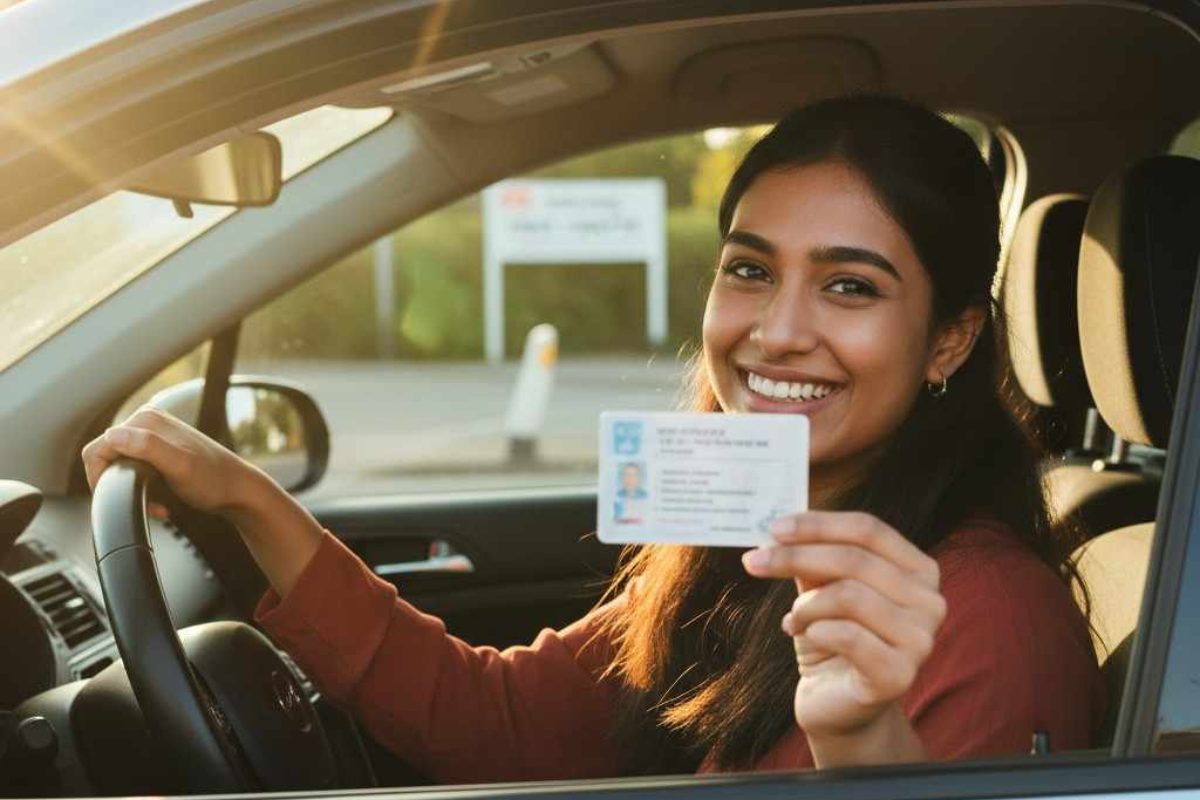
Maximising Learning with a Driving Test App
To gain the most benefit, learners should use apps strategically.
- Combine app use with in-car lessons: Apps can reinforce what’s taught during lessons, helping learners practise specific manoeuvres or scenarios outside of class hours.
- Schedule study sessions: Consistency matters. Allocating 20–30 minutes a day for app-based revision ensures steady improvement and retention.
- Track improvement and identify weak areas: Progress reports highlight areas needing attention. By focusing on weak points, learners avoid repeating mistakes and make each study session purposeful.
Frequently Asked Questions
1. What is a DVSA-aligned driving test app?
A DVSA-aligned app is designed to match the official UK driving test standards. It offers theory questions, hazard perception simulations, and practical guidance exactly as required by the DVSA, helping learners practise effectively.
2. Can an app replace in-car lessons?
No, apps complement in-car lessons. They are ideal for reinforcing knowledge, practising hazard perception, and revising theory, but hands-on driving experience with an instructor remains essential.
3. Are paid driving test apps worth it?
Paid apps often provide full features like progress tracking, real-life scenario simulations, and structured step-by-step guidance. Many learners find that investing in a paid app accelerates learning and improves test readiness.
Conclusion
A DVSA-aligned App for Driving Test is a game-changer for UK learners, combining structured learning, real-time feedback, and flexible practice. By simulating real-life driving scenarios, offering gamified engagement, and tracking progress, these apps build competence and confidence in a manageable way. Incorporating app usage alongside in-car lessons ensures learners cover all test requirements efficiently. For a stress-free, confident driving test experience, trying a DVSA-based driving test app is a smart step towards success.

![Epoxy Curing Agents Market Growth Analysis Report | Industry Status, Market Opportunities, Key Challenges, Competitive Strategies, Revenue Breakdown, and Forecast Outlook [2025–2034]](https://driftelano.com/wp-content/uploads/2025/12/Epoxy-Curing-Agents-Market.jpg)
![EMI Shielding Market Insights and Analysis [2025–2034] | Industry Performance, Growth Opportunities, Risk Factors, Strategic Developments, and Long-Term Market Projections](https://driftelano.com/wp-content/uploads/2025/12/EMI-Shielding-Market.jpg)


![Dimethyl Ether (DME) Market [Latest Reports] | Business Environment Analysis, Corporate Strategies, Competitive Benchmarking, Investment Trends, and Emerging Market Developments [2025–2034]](https://driftelano.com/wp-content/uploads/2025/12/Dimethyl-Ether-DME-Market.png)
Leave a Reply