
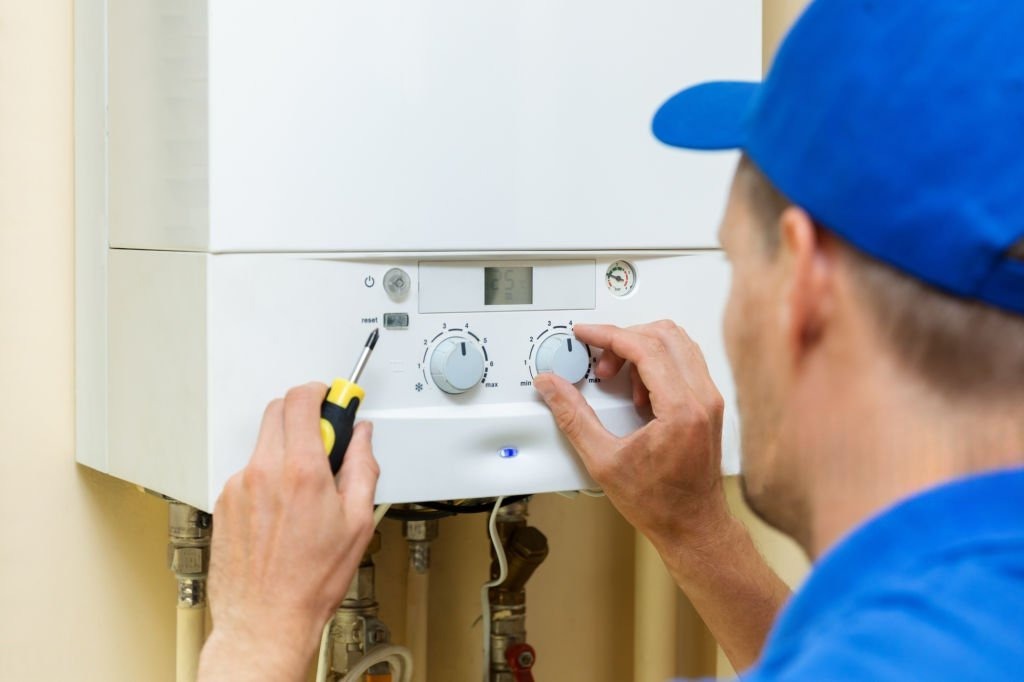
Holloway’s housing landscape reflects much of inner North London: dense terraces, converted flats, long-standing social housing, and an expanding private rental market. In this environment, gas safety is not a background technicality—it is a core responsibility that directly affects tenant wellbeing, landlord liability, and property value.
A Gas Safety Certificate in Holloway sits at the centre of this responsibility, acting as both a legal safeguard and a practical risk-management tool.
Why Gas Safety Demands Extra Attention in Holloway
Holloway properties often combine age, density, and frequent occupancy turnover. These conditions create higher-than-average exposure to gas-related risks.
Older Buildings and Modified Systems
Many properties still rely on legacy pipework or boilers that have been relocated during refurbishments. Poor documentation and historic alterations increase the chance of undetected faults.
High Tenant Turnover
Frequent changes in occupancy can mask early warning signs, such as unusual boiler behaviour or ventilation issues that go unreported.
For these reasons, a Gas Safety Certificate in Holloway is not simply about meeting minimum standards—it is about maintaining control over complex systems in busy residential settings.
Legal Framework Governing Gas Safety in 2026
Gas safety obligations in England are well-established, but enforcement has become more consistent, particularly in London boroughs with dense rental activity.
Statutory Duties for Landlords
Landlords must ensure that all gas appliances, flues, and pipework are checked every 12 months by a Gas Safe registered engineer. This duty applies regardless of tenancy length or property size.
A valid Gas Safety Certificate in Holloway confirms compliance at the time of inspection and must be renewed before expiry.
Documentation and Tenant Rights
Tenants are legally entitled to receive a copy of the certificate within 28 days of inspection, and before moving in where applicable. Failure to provide documentation can undermine eviction proceedings and expose landlords to enforcement action.
Record Retention
Certificates must be retained for at least two years. Many experienced landlords maintain longer records to demonstrate consistent compliance during disputes or insurance claims.
What a Professional Gas Safety Inspection Covers
Understanding the scope of an inspection helps landlords identify value beyond simple certification.
Appliance Performance and Combustion Checks
Engineers assess whether boilers, cookers, and heaters burn gas efficiently and safely. Incomplete combustion can indicate serious carbon monoxide risks.
Flue and Ventilation Assessment
Blocked or poorly installed flues are a recurring issue in converted flats. Ventilation checks are particularly important in modernised properties with sealed windows.
Emergency Controls and Isolation Valves
Engineers verify that emergency shut-off controls are accessible and functional, a critical requirement during gas leaks or appliance failure.
Reputable providers such as gassafetycertificateuk.co.uk ensure inspections are methodical, well-documented, and aligned with current safety standards.
How Gas Safety Affects Landlords Beyond Compliance
Gas safety has implications far beyond avoiding penalties.
Insurance and Liability Protection
Many insurers now require proof of valid certification. In the event of an incident, a missing or expired certificate can invalidate cover.
Property Value and Marketability
Well-maintained gas systems reduce unexpected repair costs and make properties more attractive to informed tenants and buyers.
Maintaining a current Gas Safety Certificate in Holloway also demonstrates professionalism, which is increasingly important in competitive rental markets.
Best-Practice Compliance Strategies for Holloway Properties
Experienced landlords treat gas safety as an integrated process rather than a once-a-year task.
Scheduling Inspections Early
The law allows renewal up to two months before expiry without losing the annual cycle. Early scheduling reduces the risk of non-compliance due to access issues.
Acting on Advisory Notes
Advisory comments are not optional suggestions. Addressing them promptly prevents minor concerns from escalating into dangerous faults.
Using Trusted Specialists
Working with established providers like gassafetycertificateuk.co.uk allows landlords to combine inspections, servicing, and compliance reminders into a single workflow.
Common Gas Safety Errors to Avoid
Even compliant landlords can fall into avoidable traps.
Assuming New Installations Are Automatically Safe
New boilers still require inspection and certification. Installation alone does not replace annual checks.
Overlooking Shared Systems
In HMOs or converted buildings, shared pipework and communal boilers fall under landlord responsibility.
Letting Certificates Lapse During Tenancy Changes
A gap between tenancies does not remove the need for valid certification before re-letting.
A current Gas Safety Certificate in Holloway protects landlords from these common oversights.
Preparing for Future Safety Expectations
While legislation may evolve, the direction is clear: greater accountability, better documentation, and closer links between safety and energy efficiency.
Upgrading Ageing Appliances
Replacing older boilers before failure reduces emergency call-outs and improves overall safety margins.
Integrating Safety into Long-Term Planning
Combining gas inspections with electrical checks and routine servicing creates a coherent compliance strategy rather than fragmented administration.
FAQs: Gas Safety in Holloway
Is a Gas Safety Certificate in Holloway mandatory for all rentals?
Yes. Any property with gas appliances rented to tenants must have a valid certificate.
Who can legally issue the certificate?
Only Gas Safe registered engineers are authorised to carry out inspections and issue certificates.
Can inspections be delayed if tenants are unavailable?
Landlords must make reasonable efforts and document access attempts, but inspections should not be postponed indefinitely.
Are homeowners legally required to have certificates?
No, but regular inspections are strongly recommended for safety and insurance purposes.
What happens if an appliance fails inspection?
It may be labelled unsafe and disconnected until repaired or replaced.
How long does a typical inspection take?
Most residential inspections take 30–60 minutes, depending on the number of appliances.

![Epoxy Curing Agents Market Growth Analysis Report | Industry Status, Market Opportunities, Key Challenges, Competitive Strategies, Revenue Breakdown, and Forecast Outlook [2025–2034]](https://driftelano.com/wp-content/uploads/2025/12/Epoxy-Curing-Agents-Market.jpg)
![EMI Shielding Market Insights and Analysis [2025–2034] | Industry Performance, Growth Opportunities, Risk Factors, Strategic Developments, and Long-Term Market Projections](https://driftelano.com/wp-content/uploads/2025/12/EMI-Shielding-Market.jpg)


![Dimethyl Ether (DME) Market [Latest Reports] | Business Environment Analysis, Corporate Strategies, Competitive Benchmarking, Investment Trends, and Emerging Market Developments [2025–2034]](https://driftelano.com/wp-content/uploads/2025/12/Dimethyl-Ether-DME-Market.png)
Leave a Reply